Last updated: · Published by Eternal Elixir
Edited by Elaine Fletcher, Researcher
Wondering what not to mix with resveratrol? Keep it simple: blood thinners and antiplatelet medicines, medicines processed by liver CYP enzymes, and other blood-thinning supplements such as high-dose fish oil, ginkgo, garlic and vitamin E all deserve a conversation with your doctor first. If you are pregnant, breastfeeding, or scheduled for surgery, talk to your doctor before taking resveratrol.
Quick answer: Resveratrol can gently slow blood clotting and interact with liver CYP enzymes, so the main things not to mix it with are warfarin and other anticoagulants, antiplatelet drugs like aspirin, NSAIDs, CYP-processed medicines, and other blood-thinning supplements such as high-dose fish oil, ginkgo, garlic and vitamin E. Pause it before surgery and check with your pharmacist if you take regular medication. If you want a straightforward standalone resveratrol, Eternal Elixir makes Trans-Resveratrol 600mg, and it is our pick below. This guide is published by Eternal Elixir, so we name our own capsule where it fits.
What not to mix with resveratrol: interactions at a glance
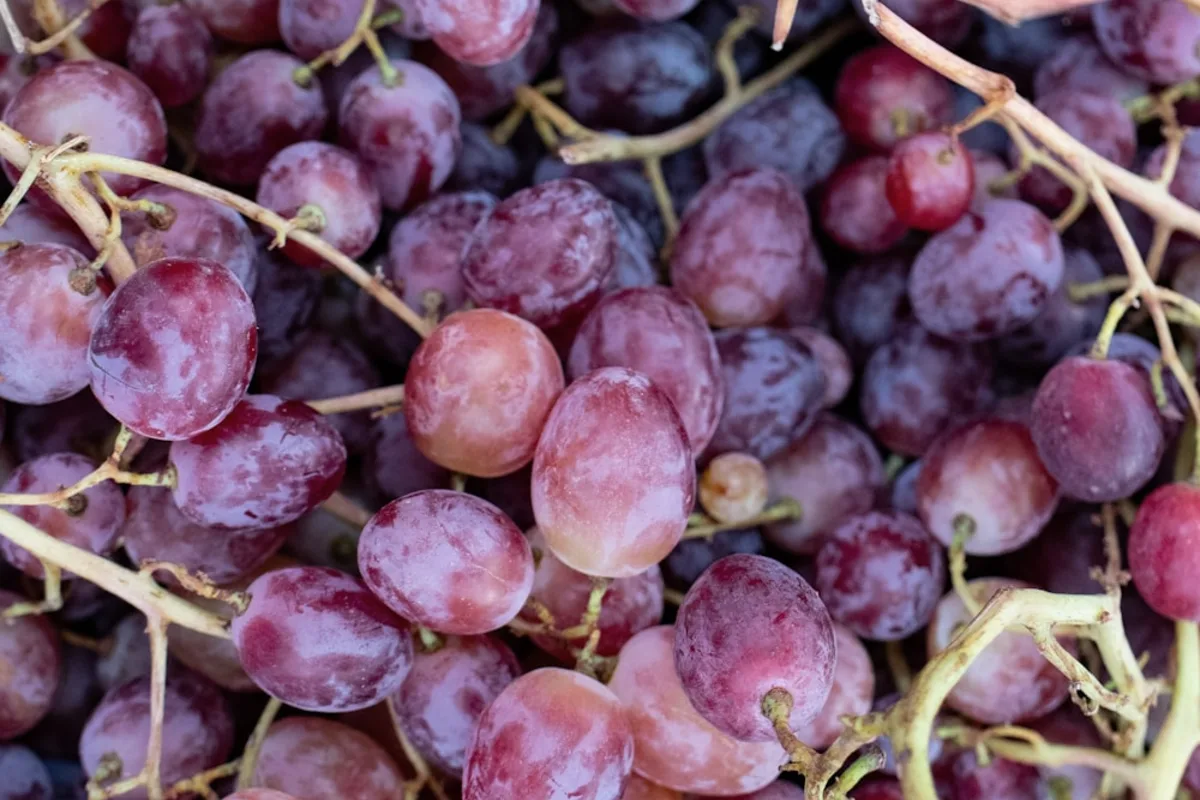
Resveratrol is a polyphenol found in grapes, berries and red wine, and it is generally well tolerated at typical supplemental doses. The interactions worth knowing come from two well documented properties. First, resveratrol can inhibit platelet aggregation in laboratory studies using human platelets, which means it may add to the effect of anything else that thins the blood.
Second, it can inhibit or induce cytochrome P450 enzymes in the liver, the pathway many prescription medicines use, so it can change how quickly those medicines are cleared. For the wider stilbene picture, our pterostilbene benefits and dosage guide covers resveratrol’s closest cousin.
| Mix with | Why it matters | What to do |
|---|---|---|
| Warfarin and other anticoagulants | Resveratrol may add to blood-thinning effects | Ask your doctor before combining |
| Aspirin and antiplatelet drugs | Both affect platelet clumping | Talk to your prescriber first |
| NSAIDs such as ibuprofen | Added bleeding risk in the gut is possible | Mention resveratrol to your pharmacist |
| CYP-processed medicines | Resveratrol can inhibit or induce CYP enzymes | Ask your pharmacist to check your list |
| Blood pressure and blood sugar medicines | Resveratrol has been studied for effects on both | Monitor and check with your doctor |
| High-dose fish oil, ginkgo, garlic, vitamin E | Each can thin the blood at high doses | Count your total intake with your doctor |
Medicines not to mix with resveratrol without advice
Most interaction questions about resveratrol involve prescription medicines rather than food. Three groups come up again and again: medicines that affect clotting, medicines cleared by liver CYP enzymes, and medicines for blood pressure or blood sugar. If you take anything from these groups, the safest move is a quick review of your full list with your pharmacist before you add Eternal Elixir Trans-Resveratrol 600mg or any other resveratrol product. The sections below explain why each group matters, so that conversation is short and specific.
Blood thinners and antiplatelet medicines
This is the big one. Resveratrol has been shown in laboratory studies, including tests on human platelets, to inhibit platelet aggregation, the clumping step that starts a clot. That property is exactly why researchers have studied it for cardiovascular support, and it is also why combining it with anticoagulants or antiplatelet drugs needs care. Warfarin, heparin and aspirin all work on clotting, and adding a supplement with a similar effect can increase the chance of bruising or bleeding.
If you take any of these medicines, do not stop or start resveratrol on your own. Bring the bottle to your next appointment or ask your pharmacist to review the combination. They may suggest a timing plan or a lower dose, and they know your history.
The same logic applies to NSAIDs such as ibuprofen and naproxen. These medicines can irritate the stomach lining and affect platelets, so stacking them with a blood-thinning polyphenol raises the possibility of gastrointestinal bleeding. Occasional use is a smaller question than daily use, but it is still worth a quick mention to your pharmacist.
Medicines processed by liver CYP enzymes
Resveratrol is cleared mainly by conjugation in the gut and liver, but research shows it can inhibit or induce several cytochrome P450 (CYP) isoforms depending on dose and context. Many prescription drugs ride the same enzymatic pathway, including some statins, calcium channel blockers and immunosuppressants. If resveratrol slows the clearance of a medicine, levels can climb. If it speeds clearance, the medicine may not do its job.
You do not need to memorise enzyme names. Instead, take the practical step: hand your full medicine and supplement list to a pharmacist and ask whether resveratrol could change how anything you take is processed. This five minute check catches most real world interactions, and it is far more reliable than generic internet advice.
One nuance worth knowing: much of the CYP evidence comes from laboratory and animal studies at concentrations that do not always match a normal human serving. That is why we frame this as a check with your pharmacist rather than a prediction. The interaction potential is real, and its size depends on your dose, your medicines and your own metabolism.
Blood pressure and blood sugar medicines
Clinical trials have studied resveratrol for effects on blood pressure and glucose metabolism, with mixed results across doses and populations. Because those trials exist, the sensible assumption is that resveratrol can nudge both numbers in some people. If you take medicines for blood pressure or blood sugar, tell your doctor you have started a resveratrol supplement so they can watch your readings alongside you. The same advice appears in our berberine side effects guide, because berberine is another supplement people combine with glucose medicines.
Signs to watch at home include lightheadedness when standing, unusual fatigue, or readings that drift from your usual range. Any of those deserves a call to the prescribing office. Talk to your pharmacist if you want a second opinion on the combination before your next appointment.
Supplements, food and drinks not to mix with resveratrol
Resveratrol rarely acts alone in a supplement routine. High-dose fish oil, ginkgo biloba, garlic extract and high-dose vitamin E each have documented blood-thinning potential. Taken together with resveratrol, the combined effect on platelets can add up even when each item seems modest on its own.
- Fish oil: common at a gram or more per day, and studied for effects on platelet function at higher intakes
- Ginkgo: a traditional extract with mild antiplatelet activity in research
- Garlic: concentrated extracts, not food amounts, show the stronger effect
- Vitamin E: high-dose tocopherol supplements, not a regular multivitamin amount
The fix is not to abandon these nutrients. It is to count your total intake. Write down everything you take in a day, including the resveratrol, and review the list with your doctor, especially if you also take a prescription blood thinner.
Turmeric and ginger extracts get mentioned in the same conversation for the same reason. If you are building a full routine, our best longevity supplements roundup shows how resveratrol sits alongside other popular options.
Food, drink and alcohol
Resveratrol is famous because it occurs in red wine, which tempts some people to pair the supplement with a glass or two. Moderation is the watchword. Alcohol affects the liver, and resveratrol is processed by the liver, so heavy drinking alongside any supplement adds workload to the same organ. If you drink, keep it light and tell your doctor if you drink regularly, because that changes the conversation about your liver enzymes.
Grapefruit deserves a note here for a different reason: it is a well known inhibitor of intestinal CYP3A4, an enzyme resveratrol itself inhibited in a human volunteer study. The human evidence for a meaningful grapefruit and resveratrol interaction at normal serving sizes is limited, so we mention it as a mechanism, not a warning. If you eat grapefruit daily and take medicines metabolized by CYP3A4, your pharmacist already knows this about you.
Otherwise, no common food needs to be avoided with a resveratrol capsule. Grapes, blueberries and peanuts are pleasant companions and add their own polyphenols to the meal.
When to take it: with food or on an empty stomach?
Label directions for the Eternal Elixir capsule say one serving daily, and the practical answer on timing is simple: take it however you will remember, consistently. Some people prefer morning with breakfast because it anchors the habit. Others take it in the evening. What matters far more than the clock is that the serving happens every day, because polyphenol research generally looks at regular intake over weeks, not single doses.
If you find a capsule on a completely empty stomach sits heavily, take it with your next meal instead. If your doctor has asked you to separate supplements from a specific medicine, follow their spacing instructions for that medicine and place resveratrol wherever it fits around them. Consistency beats cleverness.
Add Trans-Resveratrol 600mg to cart · $59.99Who should skip resveratrol
Some situations call for a doctor’s blessing before starting any new supplement, and resveratrol is no exception. Talk to your doctor before taking resveratrol if you are pregnant or breastfeeding, since safety data in those groups is limited. Talk to your doctor before surgery, because of the blood-thinning angle, and ask how many days before the procedure to pause it.
Also check first if you have a bleeding tendency, a liver condition, or blood pressure that your medicines already manage closely. Resveratrol supplements are made for adults, so keep them away from children.
None of this is a knock on resveratrol, which has a reasonable tolerability record in trials. It is simply the difference between a supplement chosen deliberately and one taken casually on top of five other things.
How to take resveratrol safely
Most people tolerate resveratrol well. The common sense protocol looks like this. Start with one serving daily of a clearly labelled trans-resveratrol product, take it with or without food per your preference, and give it several weeks before judging.
Read the actual label, not the marketing, so you know the dose per serving and the form. Trans-resveratrol is the form studied in research, which is why our capsule states 600mg of trans-resveratrol at 98% purity rather than a vague blend.
Eternal Elixir Trans-Resveratrol 600mg provides 600mg per capsule, one capsule per serving, with 90 servings per bottle at $0.67 per serving. The label reference is simple: one capsule per serving. 30-day returns on unopened products and free US shipping over $100 back the purchase.
Add Trans-Resveratrol 600mg to cart · $59.99
Keep your doctor and pharmacist in the loop about every supplement you take, not just this one. A current medicine and supplement list in your wallet or phone solves half of all interaction questions before they start.
Resveratrol vs pterostilbene
Readers comparing stilbenes often ask whether pterostilbene changes this advice. Pterostilbene is a close molecular cousin of resveratrol found in blueberries, with better oral bioavailability in animal pharmacokinetic research. It shares the general profile of a polyphenol, so the same principle applies: if you take blood thinners or a basket of medicines, run the full list past your pharmacist rather than assuming one is automatically safer.
Some people take a low serving of each on different days. Others pick one. If you prefer the pterostilbene side of the family, Eternal Elixir Trans-Pterostilbene 500mg delivers 500mg per capsule across 90 servings at $0.72 per serving.
Our best pterostilbene supplements comparison goes further. For the full picture on choosing a resveratrol product, see our guide to the best resveratrol supplements.
FAQ
Should I take resveratrol with food or on an empty stomach?
Either works. Take it with a meal if that helps you remember or if plain capsules bother your stomach on an empty one. The daily habit matters more than the hour, so choose the slot you can repeat every day. If your doctor has asked you to separate supplements from a medicine, follow their spacing for that medicine first.
Can I take resveratrol with aspirin?
Possibly, but confirm with your prescriber first. Both aspirin and resveratrol affect platelet clumping, so the combination can amplify blood-thinning. Your doctor knows your dose, your reason for taking aspirin and your bleeding history, which is exactly the information needed to answer this well.
Does resveratrol interact with medications?
It can. The main documented routes are added effects with anticoagulants and antiplatelet drugs, and effects on the liver CYP enzymes that clear certain prescriptions. Bring your medicine list to a pharmacist and ask them to check resveratrol against it. This catches the specific pairs that matter for you.
How much resveratrol should I take?
Follow the label of a standardized product. Our Eternal Elixir Trans-Resveratrol 600mg is one capsule per serving, a dose within the range used in published human trials of trans-resveratrol. More is not automatically better, especially if you also take blood-thinning medicines, so resist the urge to double up without a reason.
Does resveratrol thin your blood?
It has a mild platelet effect in studies, which is precisely why it is paired thoughtfully with anticoagulants, antiplatelet drugs and NSAIDs. Think of it as a gentle nudge in the same direction as those medicines rather than a drug itself. That is also why surgeons and dentists appreciate knowing you take it.
Is coQ10 or resveratrol better?
They do different jobs and are often taken together. CoQ10 is a fat-soluble molecule involved in cellular energy, and it is a common companion supplement. Resveratrol is a polyphenol studied for sirtuin and cardiovascular related mechanisms.
Neither replaces the other, and neither is a treatment. Choose based on your goal and confirm either with your doctor if you take medicines.
Can I drink wine while taking resveratrol?
A glass with dinner is fine for most people. The caution is heavier drinking, which loads the liver that also processes resveratrol, and adds its own clotting considerations. Keep alcohol moderate and tell your doctor if you drink daily, since that shapes advice about your liver and any medicines you take.
The bottom line
What not to mix with resveratrol comes down to a short list: prescription blood thinners and antiplatelet drugs, NSAIDs, medicines metabolized by CYP liver enzymes, and other blood-thinning supplements such as high-dose fish oil, ginkgo, garlic and vitamin E. Pause before surgery and check in if you are pregnant or breastfeeding. None of this requires perfection, just a five minute conversation with your pharmacist and a consistent one capsule daily habit from a clearly labelled product like Eternal Elixir Trans-Resveratrol 600mg.
These statements have not been evaluated by the Food and Drug Administration. This product is not intended to diagnose, treat, cure, or prevent any disease.
Sources
- Pace-Asciak CR et al. The red wine phenolics trans-resveratrol and quercetin block human platelet aggregation. PubMed
- Chow HH et al. Resveratrol modulates drug- and carcinogen-metabolizing enzymes in a healthy volunteer study. PubMed
- Walle T et al. High absorption but very low bioavailability of oral resveratrol in humans. PubMed