Last updated: · Published by Eternal Elixir
Berberine benefits for women come down to one honest sentence: the human evidence is strongest for blood sugar and insulin markers, moderate for PCOS and menstrual regularity, and thinner for weight, cholesterol and skin. Most of the trials are small, short, and conducted in women with a diagnosed metabolic condition rather than healthy women. That is the evidence level, and this guide states it plainly throughout.
Disclosure: Eternal Elixir makes and sells supplements. When our own products appear in a comparison, they are named as Eternal Elixir products. No brand pays to be included. Our editorial standards
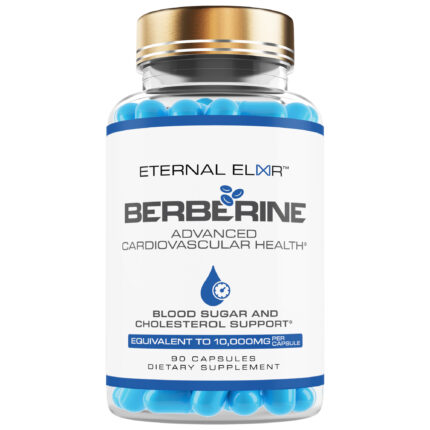
Quick answer: berberine is a plant alkaloid with human trials behind it in blood glucose, insulin sensitivity and PCOS. For women specifically, the most consistent findings are in insulin-related markers and menstrual cycle regularity in PCOS. Weight findings are mixed and modest, and longevity, skin and menopause claims are early-stage. Our pick is Eternal Elixir Berberine HCl 500mg, because the label states the extract ratio and the per-capsule dose instead of hiding it behind a proprietary blend.
What berberine is, and why women ask about it (berberine benefits for women)
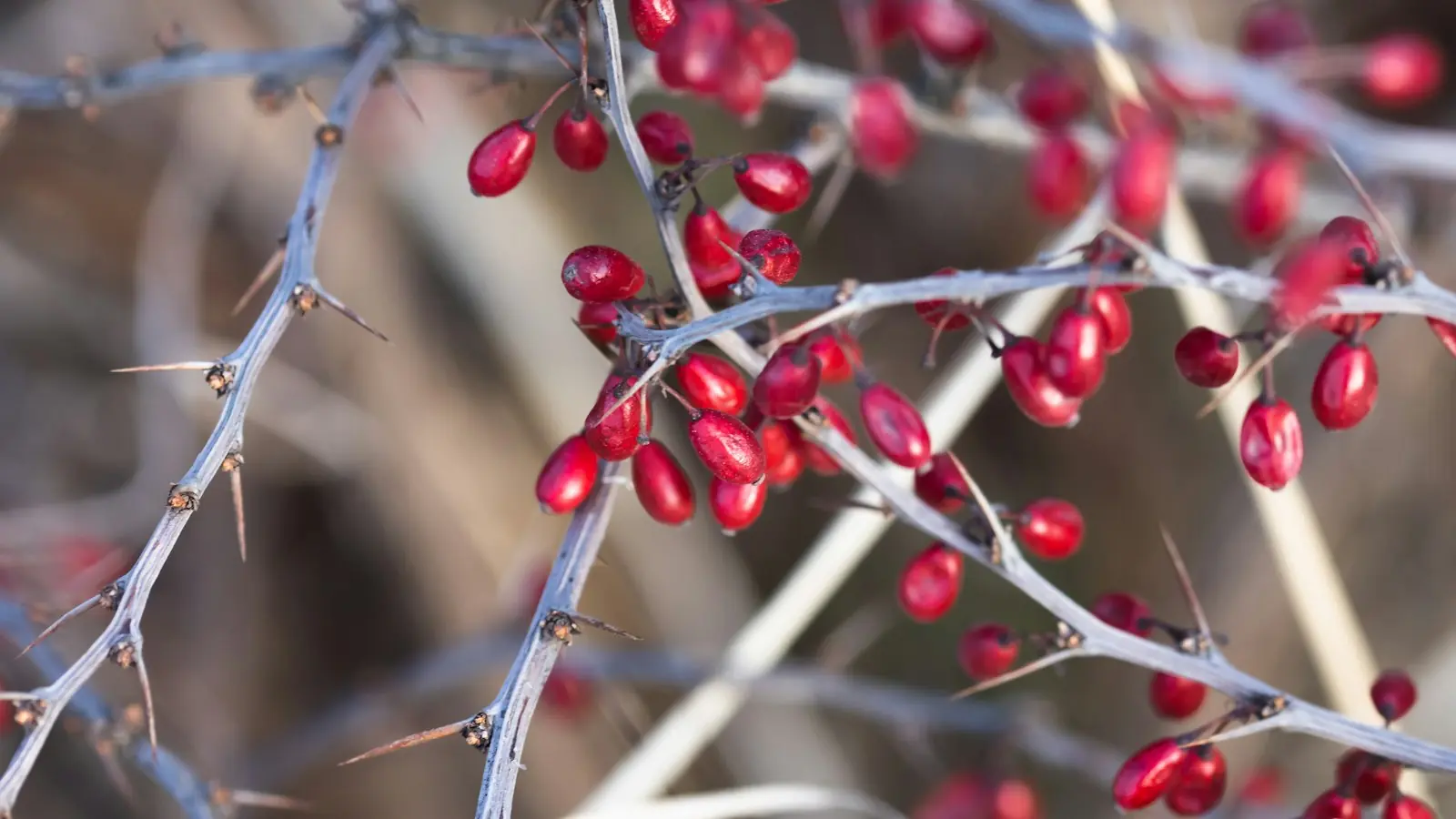
Berberine is an alkaloid found in several plants, including goldenseal, barberry and Chinese goldthread. It has been used in traditional medicine for digestive complaints for centuries, and in the last two decades it has become a popular supplement in the US for metabolic support. It is often discussed alongside inositol, particularly by women in their 20s through 50s. For a wider view of the evidence, our berberine benefits and dosage guide goes deeper on trial detail.
The mechanism that gets discussed most is AMPK activation. AMPK is an enzyme that acts as a cellular energy sensor, and when it is activated, cells shift away from storage and toward energy use. Berberine activates AMPK in cell and animal models, and researchers have proposed this as the reason it affects glucose and lipid metabolism. That is a mechanism, not an outcome.
The human trials are what matter for what you can actually expect, and we separate the two throughout.
What the research shows for women (berberine benefits for women)
Blood sugar and insulin sensitivity
This is the strongest area of the human literature, and it is where most of the trial participants have been. A 2019 meta-analysis of randomized controlled trials in adults with raised blood sugar (Liang and colleagues, published in Endocrine Journal) pooled 28 trials and found that berberine was associated with reductions in fasting plasma glucose, postprandial glucose and HbA1c compared with control. The caveat is that many of those trials were small and conducted in China, and the comparator groups varied. Subgroup effects faded past 90 days.
In women, the insulin story overlaps with PCOS. Insulin resistance is common in PCOS, and several trials have tested berberine against metformin or in combination. Small trials of berberine in PCOS have reported improvements in insulin resistance markers, fasting glucose and some hormonal measures compared with control. The trials were small, typically dozens of participants, and short, usually three months.
That is a real signal, but it is not the same as a large multicenter trial.
In plain terms: berberine supports healthy blood glucose metabolism already in the normal range, and in women with insulin resistance it has been studied for supporting insulin sensitivity.
PCOS and menstrual regularity
What the trials show is that in women with PCOS, berberine has been associated with improved menstrual cycle regularity and some hormonal markers. A commonly cited trial (Wei and colleagues, 2012) randomized women with PCOS to berberine, metformin or placebo, each alongside cyproterone acetate, for three months and reported improvements on metabolic and hormonal measures.
What has not been shown: that berberine cures PCOS, that it restores fertility in every woman, or that it replaces a prescribed medication. The honest read is that the support comes from small trials, and any woman with PCOS should discuss it with the clinician managing her care.
Weight and body composition
Berberine has been studied for weight outcomes, and the findings are mixed and modest. A 2012 randomized trial in women with PCOS (Wei and colleagues) reported a greater decrease in waist circumference and waist-to-hip ratio with berberine than with metformin over three months. Pooled analyses disagree: a 2020 meta-analysis (Amini and colleagues) found no significant change in body weight or BMI, while others report small reductions. The effect is not dramatic, and it should not be marketed as a weight-loss pill.
What we would say: berberine supports healthy body composition as part of a broader diet and activity pattern, and the trials suggest a small additional effect on weight and waist measures in women with metabolic conditions. Nothing stronger.
Cholesterol and lipids
Some trials have reported reductions in LDL cholesterol and triglycerides with berberine, particularly in populations with metabolic conditions. The effect sizes vary, and the trials are generally small.
A 2019 meta-analysis found significant reductions in total cholesterol, LDL and triglycerides in pooled analyses, but the authors noted high heterogeneity. In plain terms: berberine supports healthy cholesterol levels already within the normal range. It is not a statin, and no one should stop a prescribed lipid medication on the strength of a supplement.
Skin, menopause and other claims
Berberine benefits for skin are the thinnest area of the file. There is cell and animal work on anti-inflammatory and antimicrobial activity, and some small human studies, but the human evidence is early-stage. We would say it supports normal skin health through its antioxidant and anti-inflammatory activity, and stop there.
For women over 50, the relevant trials are mostly the same metabolic trials, since insulin resistance and lipid changes are common in the menopause transition. There is no large trial of berberine specifically in menopausal women. The mechanism is plausible, the population data are indirect, and we state that limit plainly.
Berberine phytosome is a delivery format, not a different molecule. Phytosome technology binds the alkaloid to phospholipids to improve absorption, and some small trials have used phytosome formulations. The evidence for the phytosome format specifically is thinner than for plain berberine HCl, and the price is usually higher. If you want the format with the most trial history, plain berberine HCl is the safer research bet.
If you want to see how berberine compares with other options, the best berberine supplements roundup is the place to start.
Berberine benefits for women vs men: does sex matter?
Berberine benefits for men are the same core metabolic findings, because most of the trials in metabolic research include both sexes. Where the sexes diverge is in the PCOS literature, which is female-specific, and in the hormonal context. Women with PCOS have a distinct insulin-resistance picture, and the trials in that population are the reason berberine gets discussed more among women than men.
For men, the relevant trials are the metabolic studies, plus some work on gut health and inflammation. The evidence level is comparable: moderate for metabolic markers, thin for everything else. The supplement does not have a separate “men’s formula” story, the difference is in the populations studied, not the molecule.
Berberine at a glance: what the evidence supports and what it does not
The table below sorts the claims by evidence level so you can see where the support is solid and where it is early-stage. The evidence ratings are our own summary of the published human literature cited in the sources at the end.
| Outcome area | Evidence level | What the trials show | What we would say |
|---|---|---|---|
| Fasting glucose and HbA1c | Moderate (multiple RCTs, meta-analyses) | Associated with lower fasting glucose and HbA1c in metabolic populations | Supports healthy blood glucose metabolism |
| Insulin sensitivity | Moderate (small RCTs, PCOS and metabolic trials) | Improvements in insulin resistance markers in small trials | Supports healthy insulin sensitivity |
| PCOS menstrual regularity | Moderate-low (small RCTs) | Improved cycle regularity reported in some small trials | Studied for supporting cycle regularity in PCOS |
| Weight and waist | Low-moderate (small RCTs, meta-analyses) | Small reductions in weight and waist measures | Supports healthy body composition alongside diet and activity |
| Cholesterol and triglycerides | Low-moderate (heterogeneous trials) | Reductions in LDL and triglycerides in some pooled analyses | Supports healthy cholesterol already in the normal range |
| Skin | Low (cell, animal, small human studies) | Anti-inflammatory and antimicrobial activity in models | Supports normal skin health through antioxidant activity |
| Menopause-specific outcomes | Low (indirect population data) | No large trial in menopausal women specifically | Plausible, but not directly proven in this group |
| Longevity | Very low (mechanistic) | AMPK activation in cell and animal models | Supports normal metabolic function, lifespan claims are ahead of the data |
One point on the table: “moderate” does not mean “proven”. It means multiple randomized trials exist with consistent direction, but the trials are small and the populations are narrow. We would rather under-claim than over-claim.
Add Berberine HCl 500mg to cart · $49.99Practical steps if you are considering berberine
1. Check the label for the extract ratio and dose
Berberine products vary enormously in what they actually contain. A 500 mg capsule of a 20:1 extract is not the same as 500 mg of raw berberine root powder. Look for the extract ratio and the actual berberine HCl content stated on the label. Our Berberine HCl 500mg page states the 20:1 extract and the per-capsule dose, so you can compare like for like.
2. Start with one capsule and see how you tolerate it
The label reference for our product is one capsule per serving. Berberine can cause digestive upset, particularly at higher doses, so starting with one capsule per day and building up is a sensible approach. If you notice stomach discomfort, take it with food or reduce the dose and check with a pharmacist.
3. Give it a fair trial period
The trials that reported metabolic changes generally ran for eight to twelve weeks or longer. A few days is not a fair test. If you are taking it for metabolic support, give it at least two to three months before drawing conclusions, and keep a note of how you feel and any changes your clinician measures.
4. Tell your doctor what you are taking
Berberine interacts with several medications, and it affects CYP3A4 and CYP2D6 enzymes in the liver, which can change how other drugs are metabolized. If you take prescription medication, mention berberine at your next appointment. This is a conversation, not a warning label, but it is worth having.
5. Do not stop prescribed medication on your own
If you take metformin or another glucose-lowering drug, berberine may add to the effect. It is your clinician’s call whether the combination is appropriate. Never stop a prescribed medication because a supplement is “natural”.
Where our berberine fits, and who it suits
Eternal Elixir makes Berberine HCl 500mg (20:1 Extract), and it is our pick for this guide because the label is specific and the price per serving is transparent. Each bottle contains 90 capsules, one capsule per serving, and 90 servings per bottle. At $49.99 per bottle, the price per serving works out to $0.56.
Who it suits: women who want a straightforward berberine HCl product with a stated extract ratio, who are looking for metabolic support alongside diet and activity, and who want to compare cost per serving honestly. It also suits anyone who has read the evidence and wants the format with the most trial history rather than a premium phytosome.
Who it does not suit: anyone who wants a single supplement to replace prescribed medication, anyone with a sensitive stomach who has not tolerated berberine before, and anyone who is pregnant or breastfeeding without checking with their clinician first. If you are looking for a phytosome specifically, this is plain HCl, and the absorption profile differs.
Berberine benefits and side effects: what to watch for
The side effects reported in trials and postmarket summaries are mostly digestive: stomach upset, constipation or diarrhea, and nausea. They are usually mild and dose-related. Taking berberine with food reduces the risk. If a side effect persists, stop and check with a pharmacist or physician.
More serious but less common: berberine can interact with prescription medications, and it can lower blood sugar enough to matter if you are on glucose-lowering drugs. The safety caveats are the same as for any supplement: talk to your doctor if you are pregnant, breastfeeding, on medication, or have a kidney or liver condition.
Does berberine help with fluid retention? There is no strong evidence for a diuretic effect. Some women report less bloating, but that is anecdotal rather than trial-supported. We would not buy berberine for fluid retention specifically.
Eternal Elixir products are formulated for everyday wellness routines. This guide compares options next to Eternal Elixir so you can match dose and format to your goals.
When you buy from Eternal Elixir, you get clear labels, published serving sizes, and customer support that answers product questions without upselling jargon.
Stack decisions still start with sleep, food, and training. Eternal Elixir fills gaps; it does not replace habits.
Eternal Elixir publishes the berberine HCl amount per capsule on every label, so you can match the study doses discussed above without guessing.
Frequently asked questions
What is berberine and its benefits?
Berberine is a plant alkaloid sold as a supplement for metabolic support. The human trials with the most support are in blood glucose and insulin markers, with smaller trials in PCOS and lipids. It activates AMPK in cell and animal models, which is a proposed mechanism, not a proven outcome in people.
How much berberine should a woman take per day?
The label reference for our product is one capsule of 500 mg per serving. Trials have used doses ranging from a few hundred milligrams to around 1.5 g per day, split across servings. Start low, see how you tolerate it, and follow the label unless your clinician advises otherwise.
Does berberine help with PCOS?
Small randomized trials in women with PCOS have reported improvements in insulin resistance markers and menstrual regularity, sometimes compared with metformin. The trials are small and short, so the honest framing is “studied for supporting insulin sensitivity and cycle regularity in PCOS”, not “treats PCOS”.
Is berberine bad for kidneys?
In trials at typical doses, berberine has not shown consistent kidney harm. If you have a kidney condition, talk to your doctor before starting, because supplement metabolism and clearance can be affected. The evidence is reassuring rather than definitive.
What not to mix with berberine?
Berberine affects liver enzymes that metabolize many drugs, so it can interact with prescription medications. It can also add to the effect of glucose-lowering medication. Tell your doctor what you are taking.
Why don’t doctors like berberine?
It is not that doctors dislike it, it is that the trials are small, the regulation is lighter than for drugs, and it can interact with prescriptions. Clinicians want to know you are taking it so they can factor it into your care.
How long should you wear a berberine patch?
Patches are a delivery format, not a different molecule, and the evidence for them is thinner than for capsules. Follow the patch label, and wear times vary by product. If you want the format with the most trial history, capsules are the safer research bet.
Does berberine help with fluid retention?
There is no strong trial evidence for a diuretic effect. Some women report less bloating, but that is anecdotal. If fluid retention is your main concern, berberine is not what we would buy for it.
Add Berberine HCl 500mg to cart · $49.99
Sources
- Liang Y, Xu X, Yin M, et al. “Effects of berberine on blood glucose in patients with type 2 diabetes mellitus: a systematic literature review and a meta-analysis.” Endocrine Journal, 2019.
- Wei W, Zhao H, Wang A, et al. “A clinical study on the short-term effect of berberine in comparison to metformin on the metabolic characteristics of women with polycystic ovary syndrome.” European Journal of Endocrinology, 2012.
- Yin J, Xing H, Ye J. “Efficacy of berberine in patients with type 2 diabetes mellitus.” Metabolism, 2008.
- Amini MR, et al. “Effects of berberine and barberry on anthropometric measures: a systematic review and meta-analysis of randomized controlled trials.” Complementary Therapies in Medicine, 2020.
The bottom line
Berberine has real human trial support for blood glucose and insulin markers, moderate support for PCOS-related outcomes, and thinner support for weight, cholesterol and skin. For women, the most defensible claims are metabolic and insulin-related, with PCOS the area where the female-specific trials concentrate. It is not a cure for anything, it is not a weight-loss pill, and it interacts with prescription medication, so tell your doctor.
If you want a berberine with a clearly stated extract ratio and a transparent price per serving, Eternal Elixir Berberine HCl 500mg is our pick. If you want to see how it compares with other products, the best berberine supplements guide covers the options. And if you are stacking metabolic support with other goals, our berberine benefits and dosage guide goes deeper on dosing and trial detail.
For related reading, our shilajit benefits for women guide and ginseng benefits for women guide cover other supplements women ask about for energy and metabolic support.