Identity
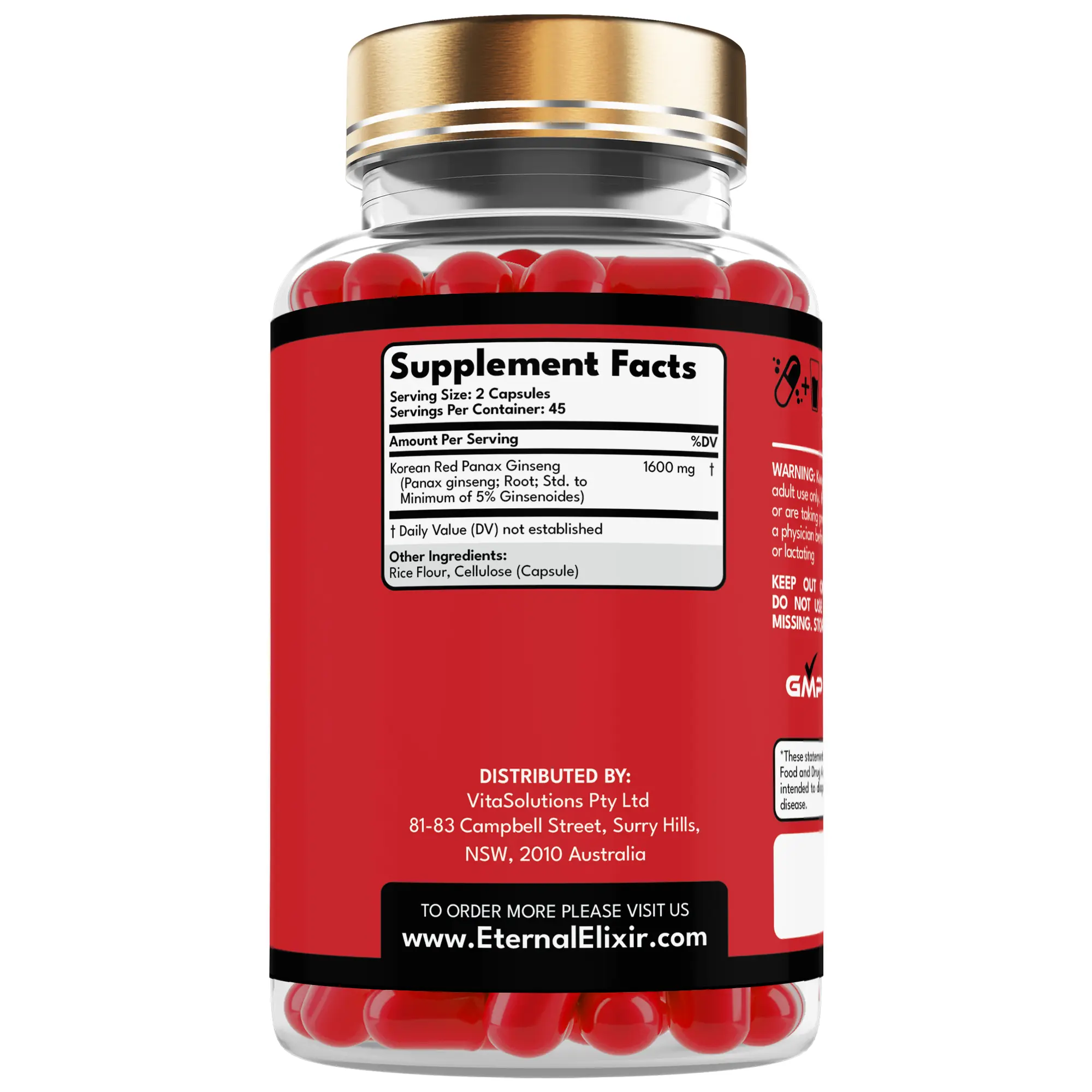
Panax ginseng root
The botanical species and plant part are stated—not hidden behind a generic “ginseng” blend.

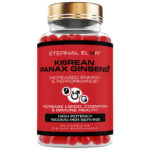
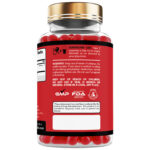
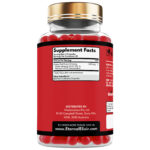
Inside the formula
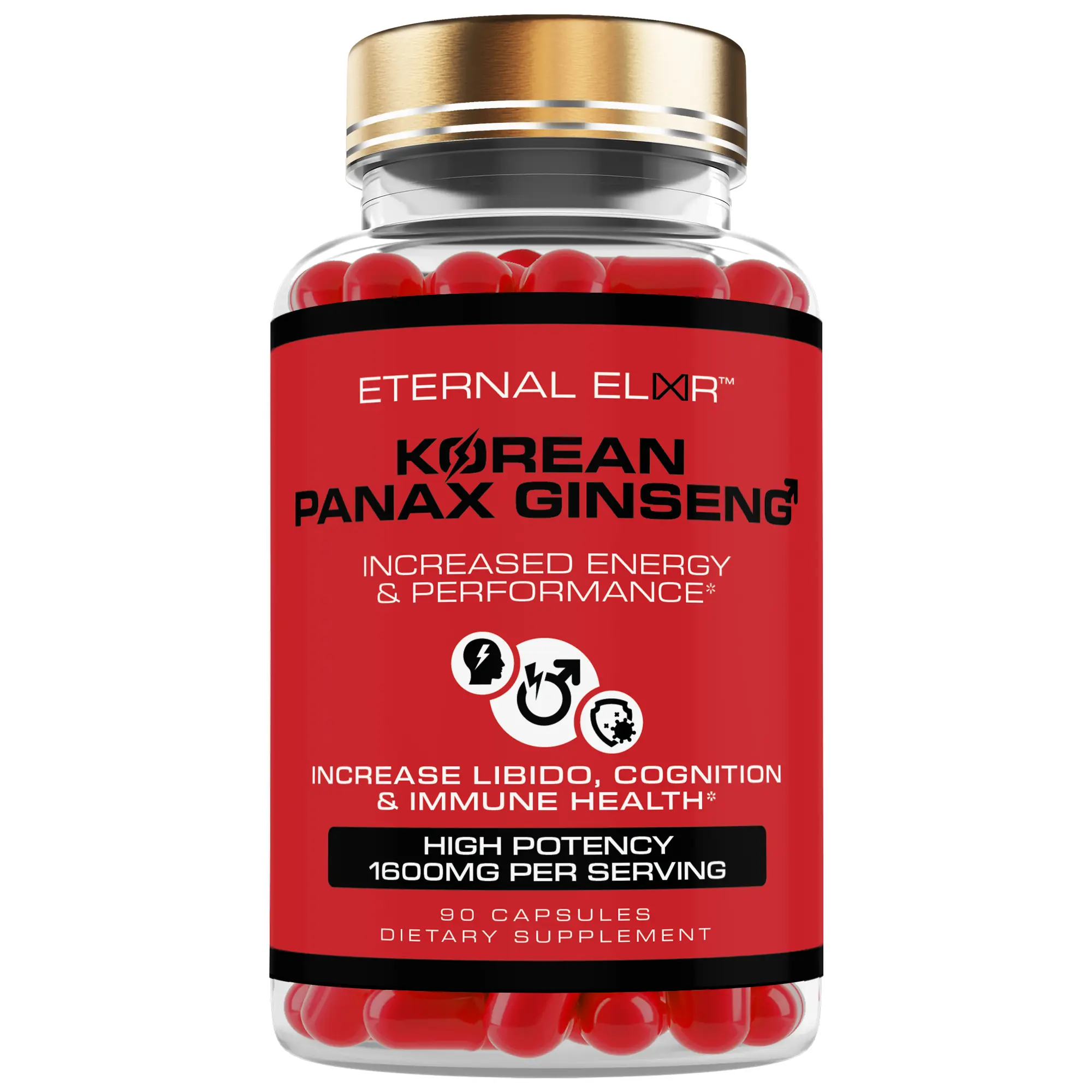
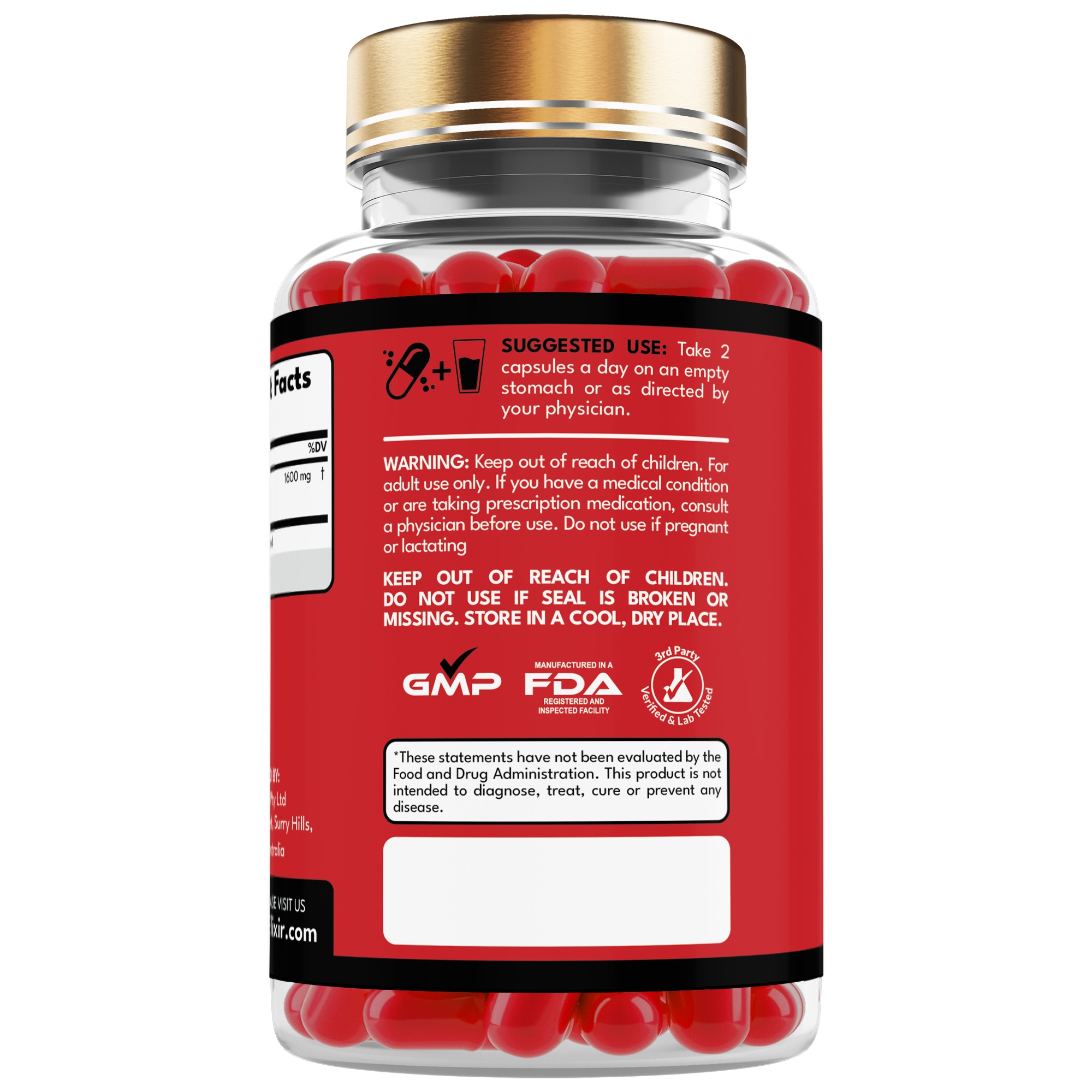
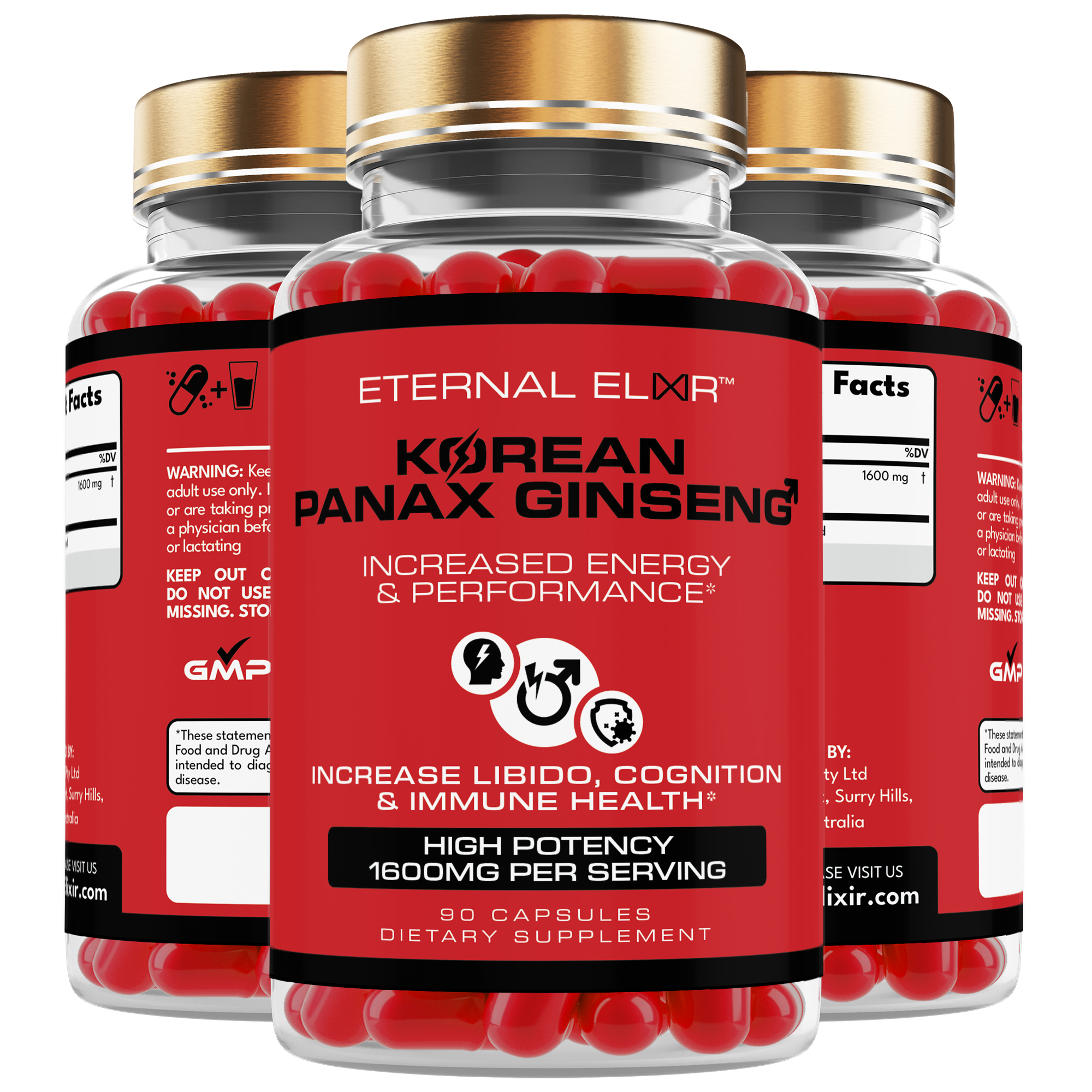
The label does more than name ginseng: it identifies Korean Red Panax ginseng root, declares the serving dose, and standardizes the extract to a minimum ginsenoside content.
Identity
The botanical species and plant part are stated—not hidden behind a generic “ginseng” blend.
Standardization
Standardization provides a declared marker for the root’s characteristic saponins.
Evidence
Human ginseng research varies by extract, dose and population; it is context, not a promise.
Human evidence · systematic review
The standardized botanical
Panax ginseng C.A. Meyer root extract
What it is: Panax ginseng is an Asian ginseng species whose root contains a family of saponins called ginsenosides.
Evidence context: A systematic review and meta-analysis found a possible fatigue benefit across ginseng trials, while also noting variation in products and study methods.
The formula stays focused on one identified root extract and declares a minimum 5% ginsenoside standard.
Every other label-listed ingredient
A label-listed inactive carrier used to help create a consistent capsule fill.
The plant-derived capsule shell that contains the powdered formula.
The formulation rationale
Root + marker compound: The named root provides botanical identity; ginsenoside standardization adds a measurable composition target.
Active + delivery format: Rice flour supports consistent capsule manufacture, while cellulose provides the capsule shell. Neither is presented as an active.
Transparency + restraint: The exact species, plant part, dose and standardization are disclosed without treating one study as proof of this finished product.
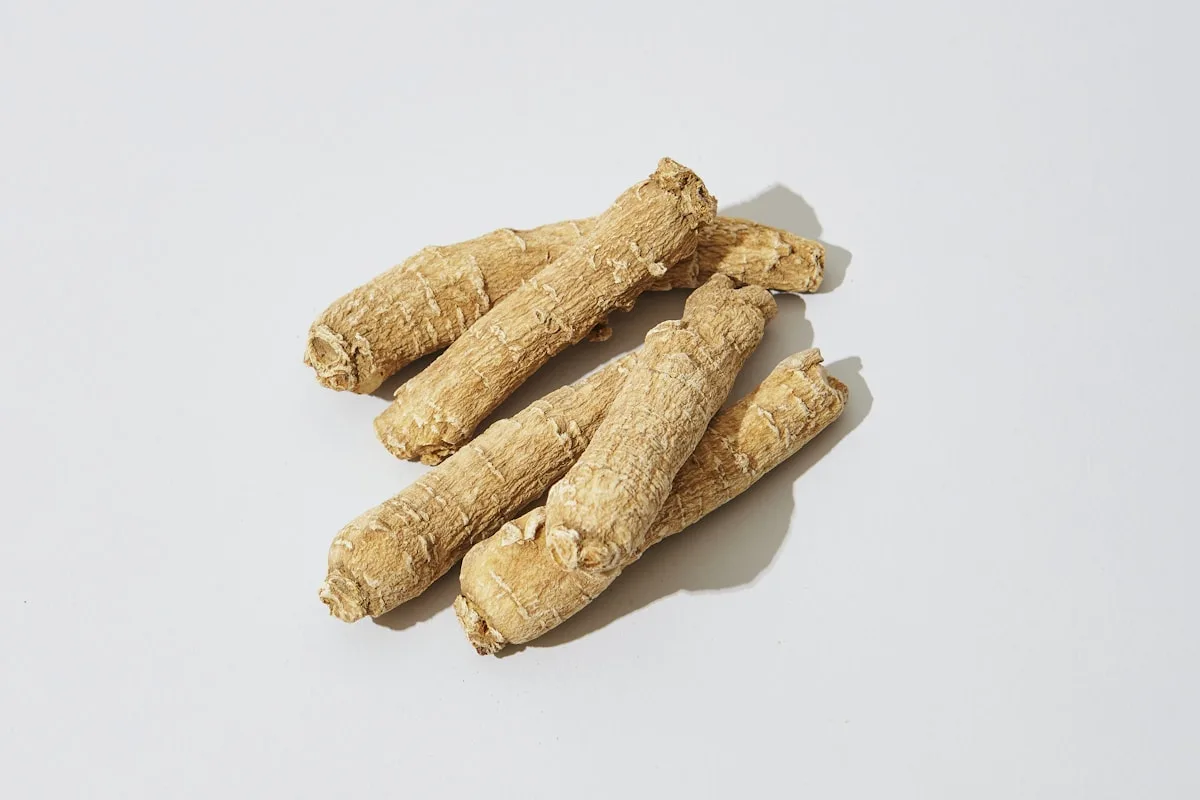
Panax ginseng reference photography: Unsplash. Image provides ingredient context and does not claim manufacturing provenance.