Build the foundation
NAD+ precursor
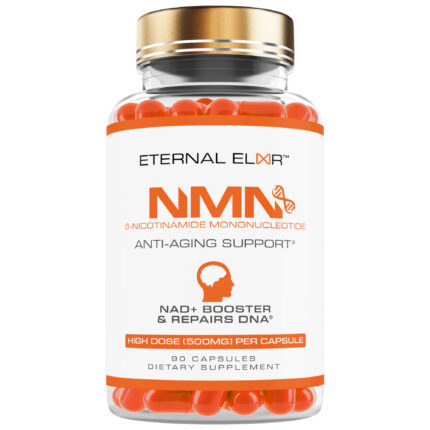
500mg NMN supplies material used in NAD+ biosynthesis.

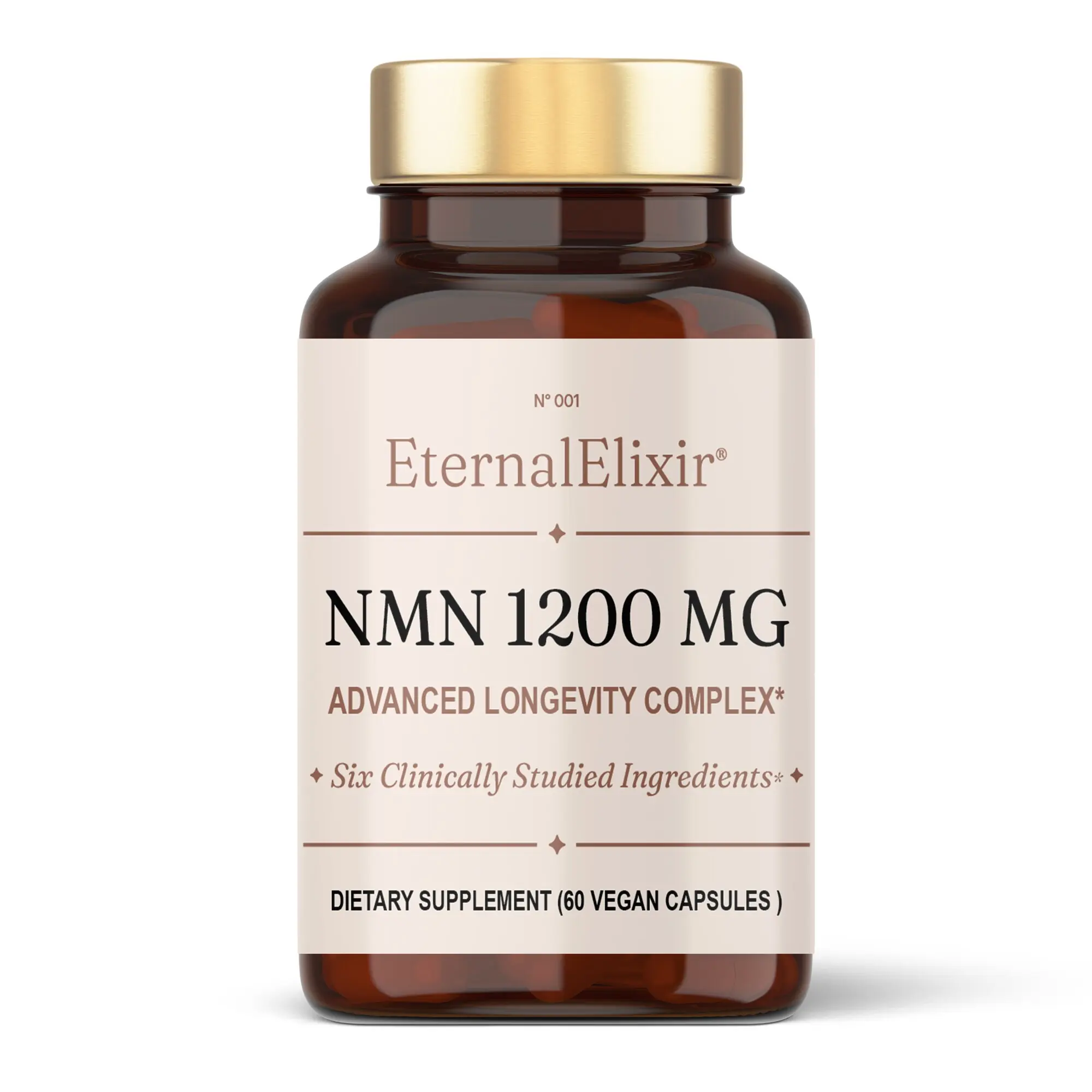
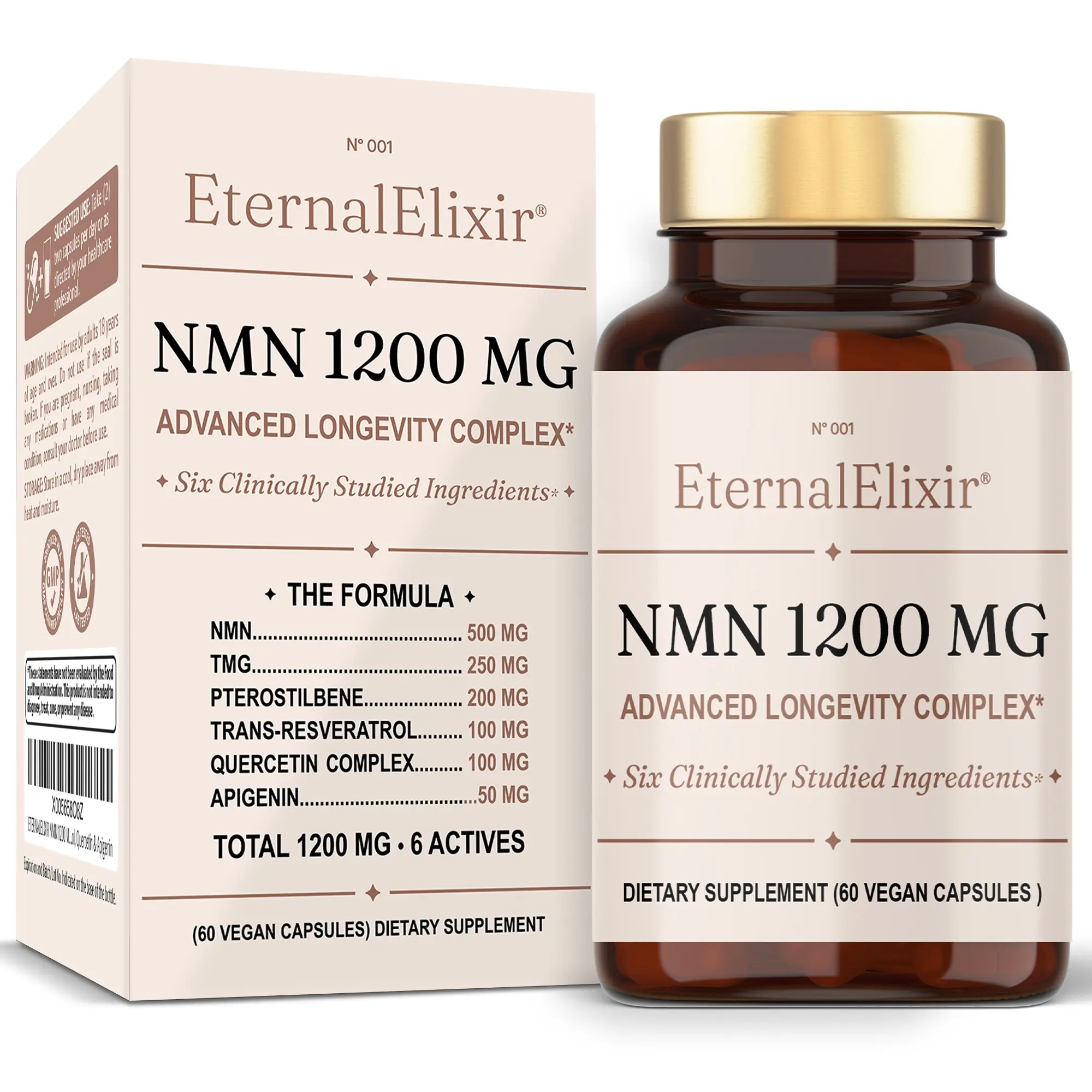
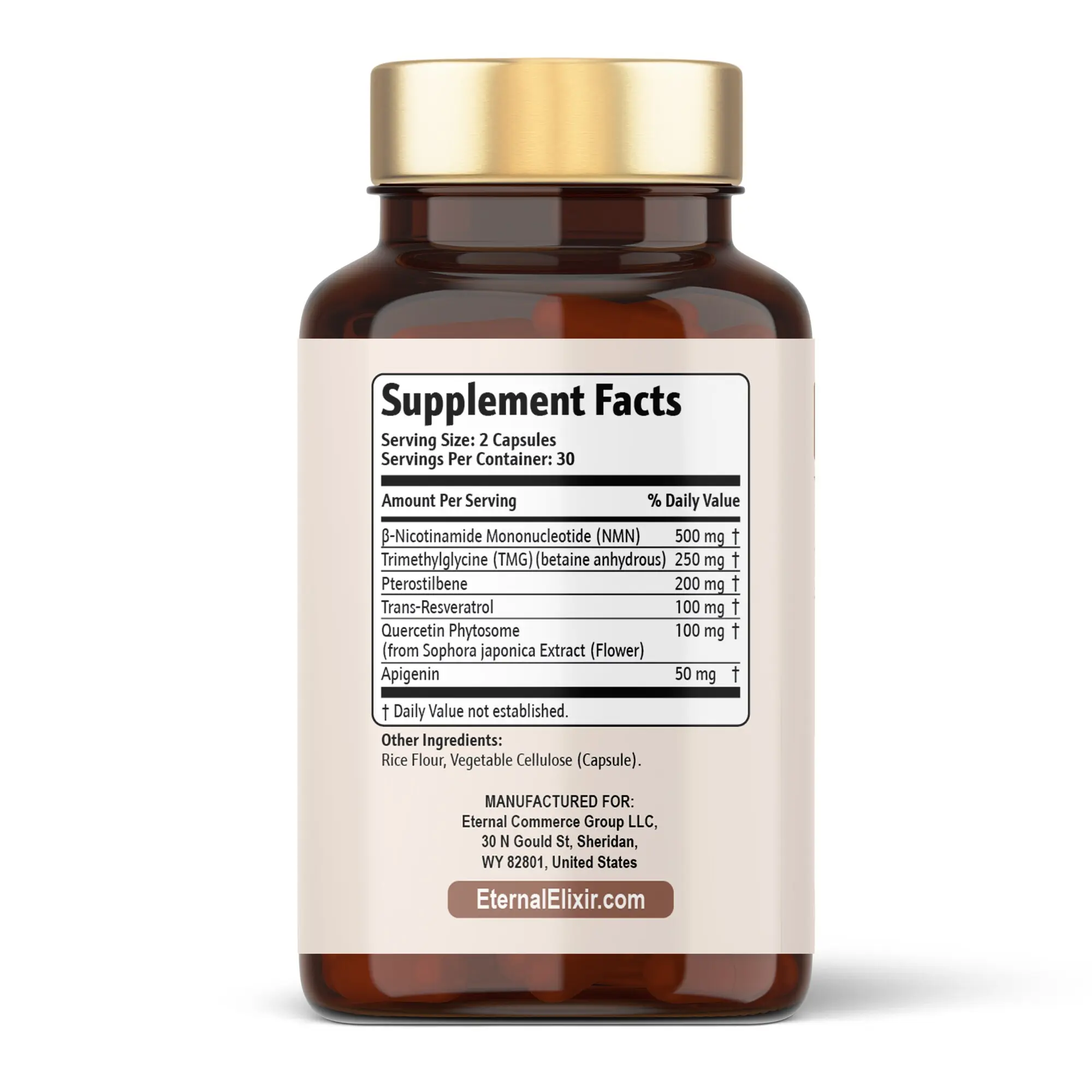
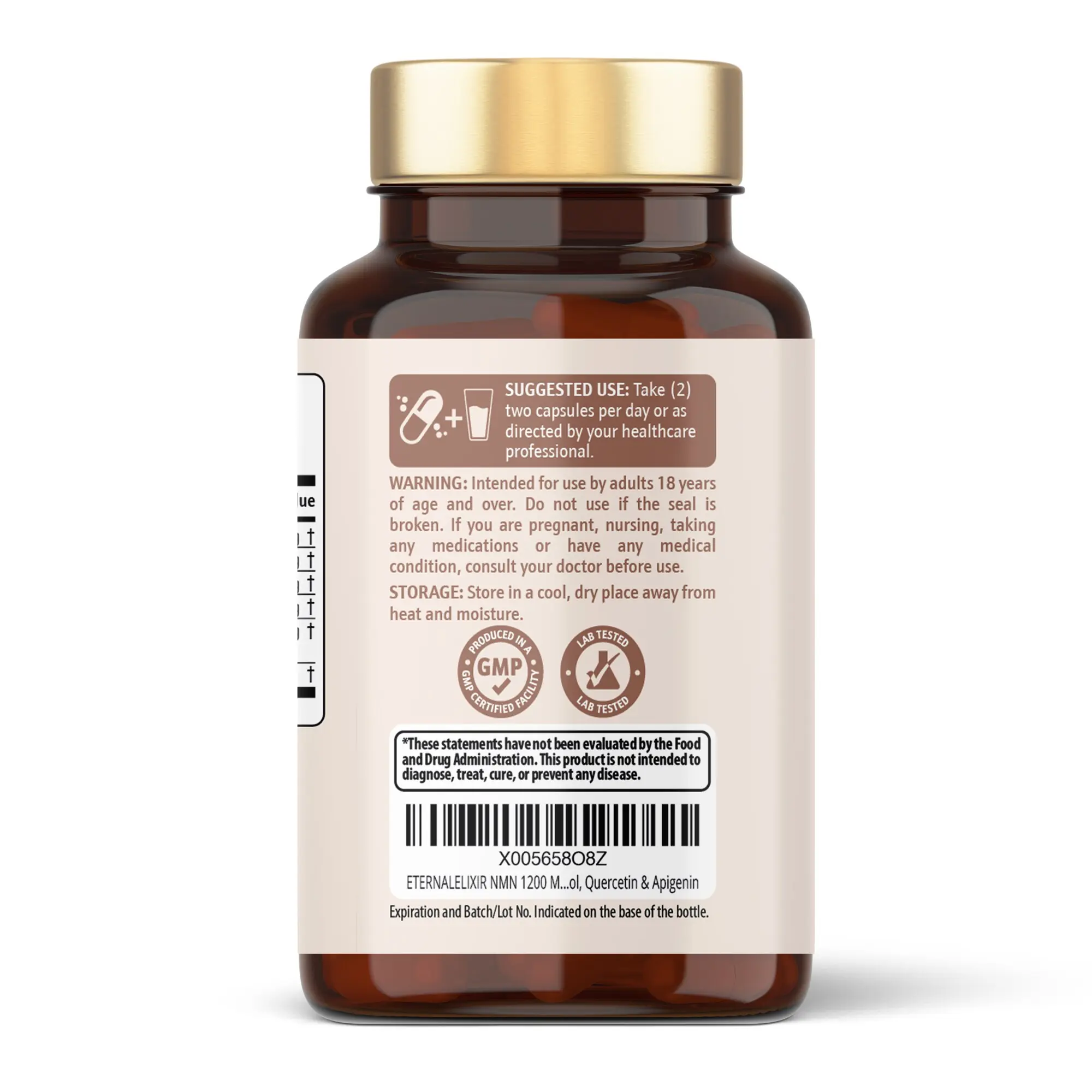
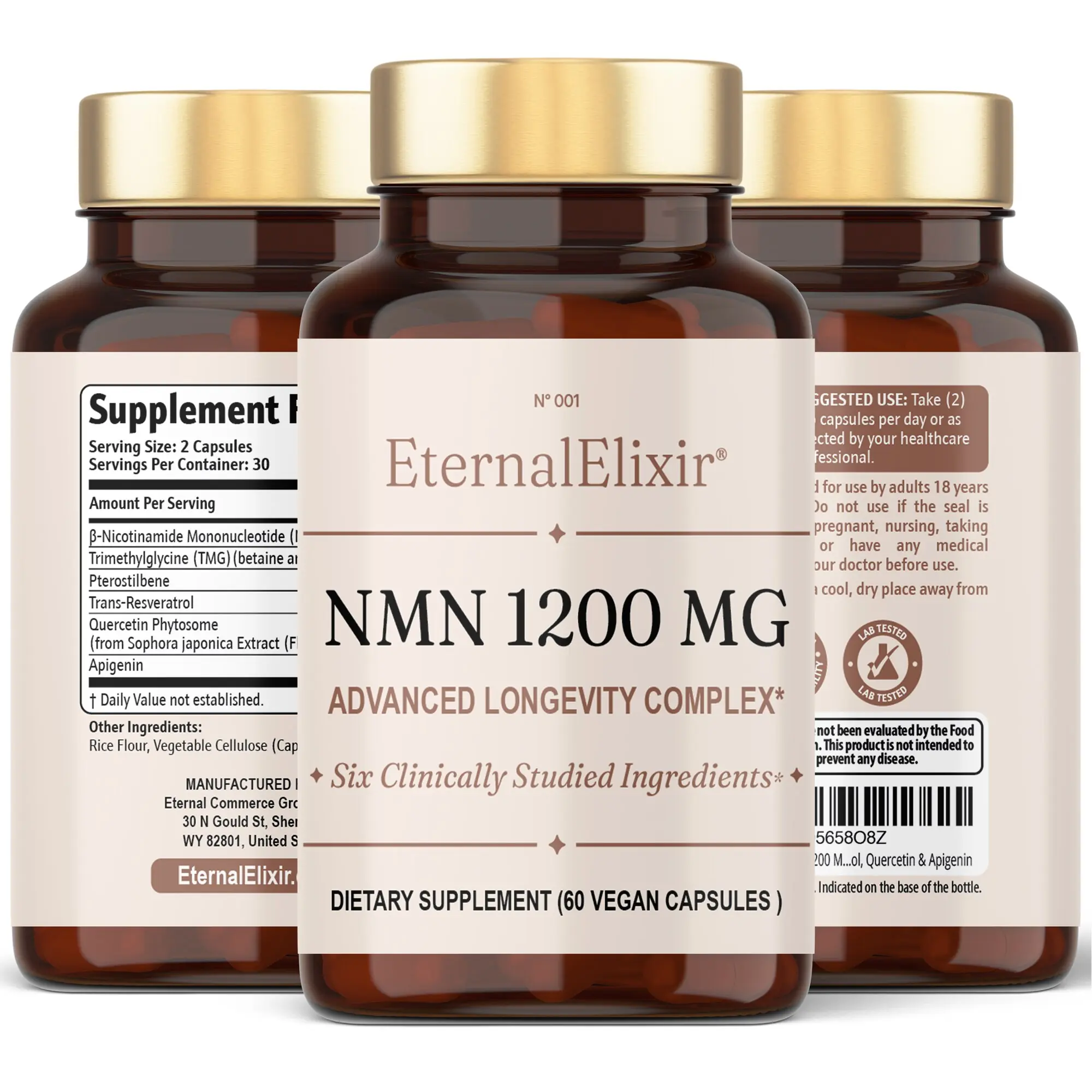
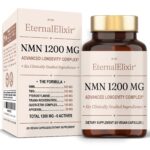
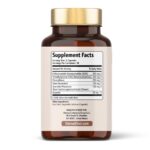
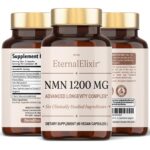
Formula architecture
This is not six versions of the same idea. NMN supplies an NAD+ precursor, TMG supports normal methyl-group metabolism, and four structurally different polyphenols and flavonoids broaden the formula’s nutritional coverage.
Build the foundation
500mg NMN supplies material used in NAD+ biosynthesis.
Support the cycle
250mg TMG contributes methyl groups through the BHMT pathway.
Broaden the network
Two stilbenes, one flavonol and one flavone add complementary chemistry.
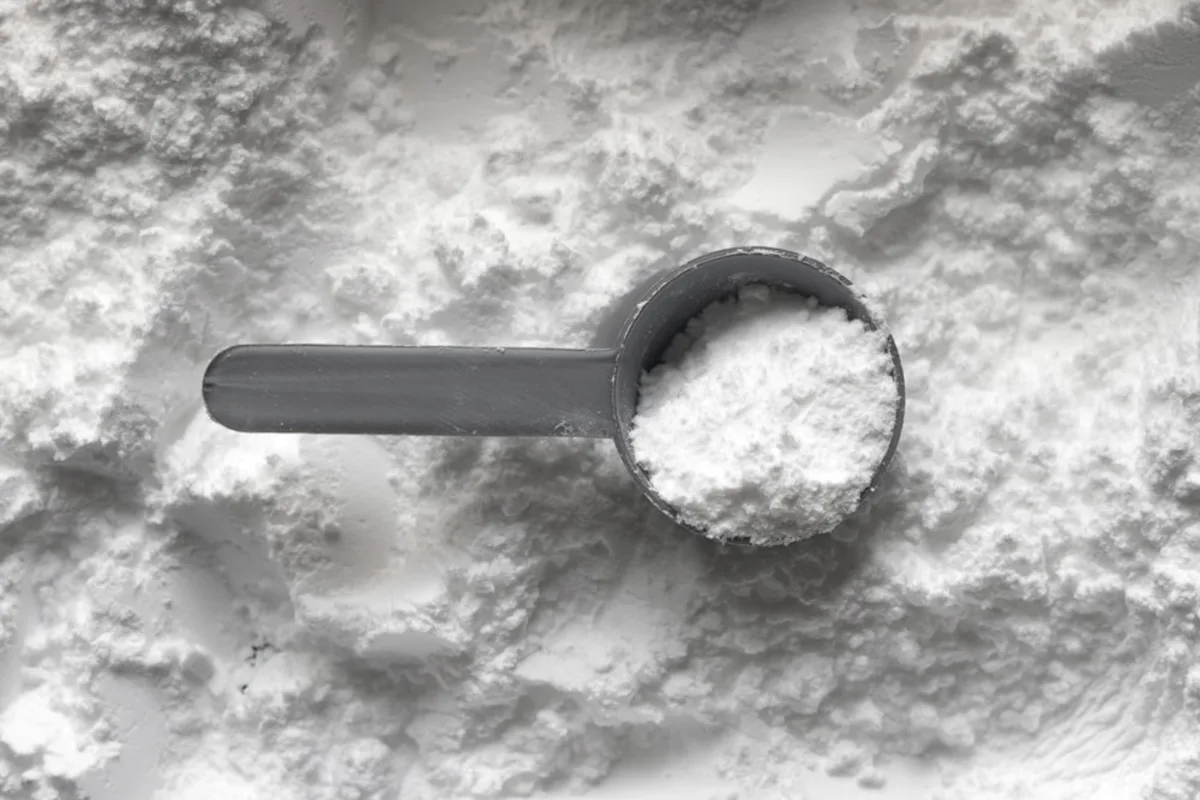
The NAD+ precursor
β-Nicotinamide Mononucleotide
What it is: NMN is a nucleotide the body can use when making NAD+, a coenzyme involved in cellular energy transfer and many enzyme reactions.
Evidence context: Randomized human trials of NMN alone have reported increases in blood NAD+ after daily supplementation.
It establishes the precursor foundation; the other actives are included to complement adjacent methylation and polyphenol pathways.
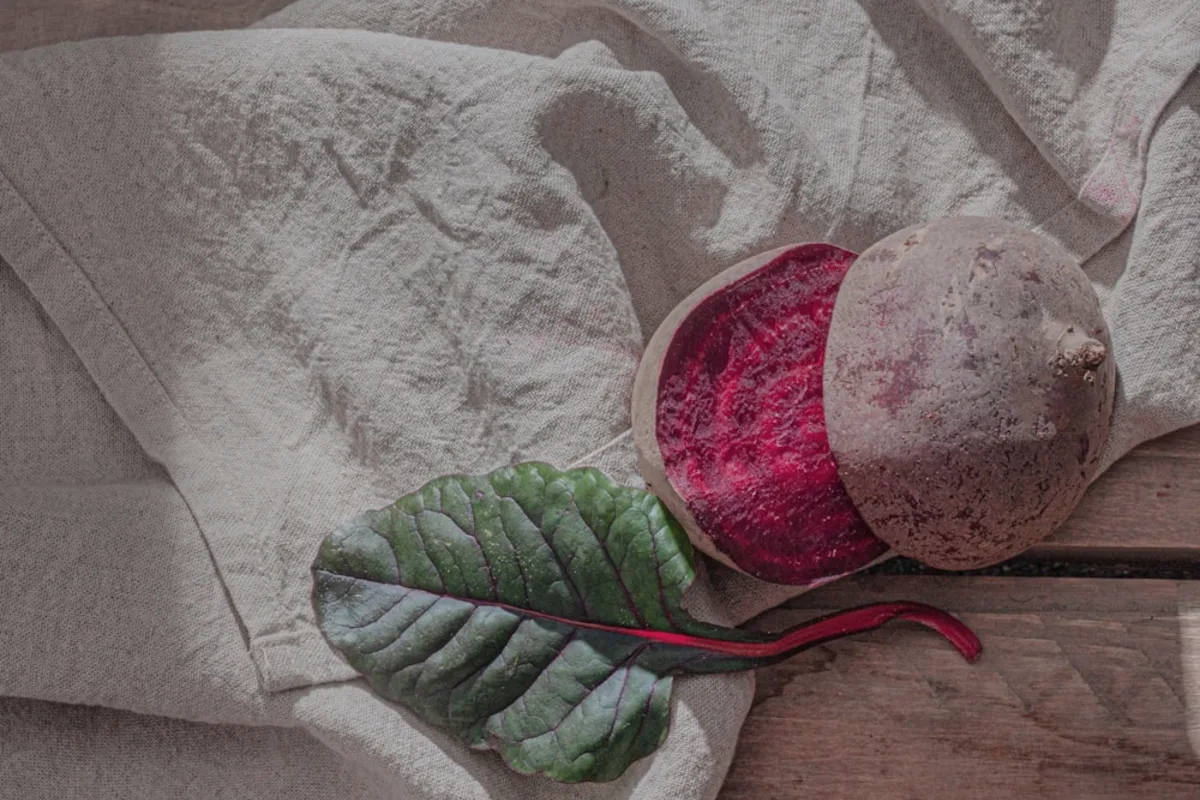
The methyl donor
Betaine Anhydrous
What it is: TMG, also called betaine, can donate a methyl group through the BHMT pathway, which remethylates homocysteine to methionine in the liver and kidneys.
Evidence context: Human studies and meta-analyses have examined betaine in normal homocysteine metabolism; response depends on dose, diet and individual context.
It gives the formula dedicated methyl-group support alongside the NAD+ precursor rather than adding another overlapping polyphenol.
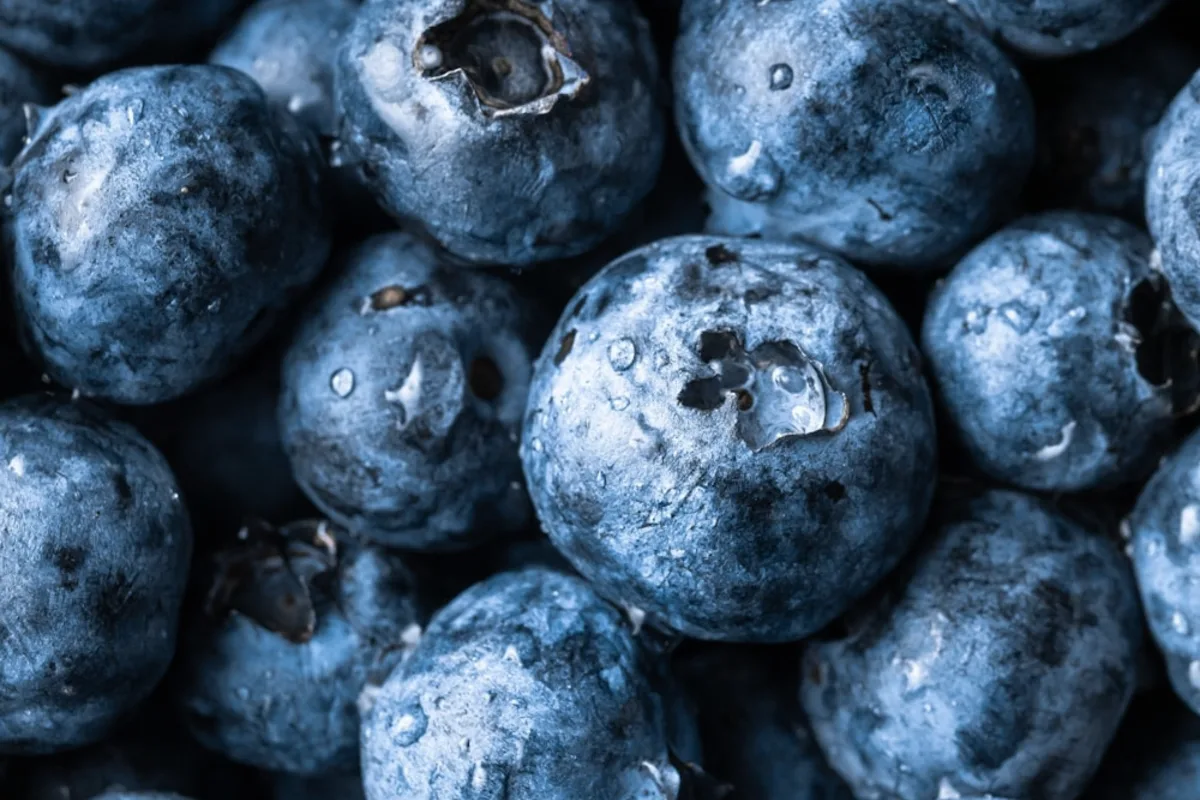
The complementary stilbene
Dimethylated Stilbene
What it is: Pterostilbene is a methylated relative of resveratrol that occurs naturally in blueberries. Its structure is more lipophilic than resveratrol.
Evidence context: Human studies have evaluated pterostilbene at 200mg per day, including short-term safety research; metabolic outcomes vary by study and population.
It adds a structurally distinct stilbene, broadening the blend beyond resveratrol alone without implying that the two are interchangeable.
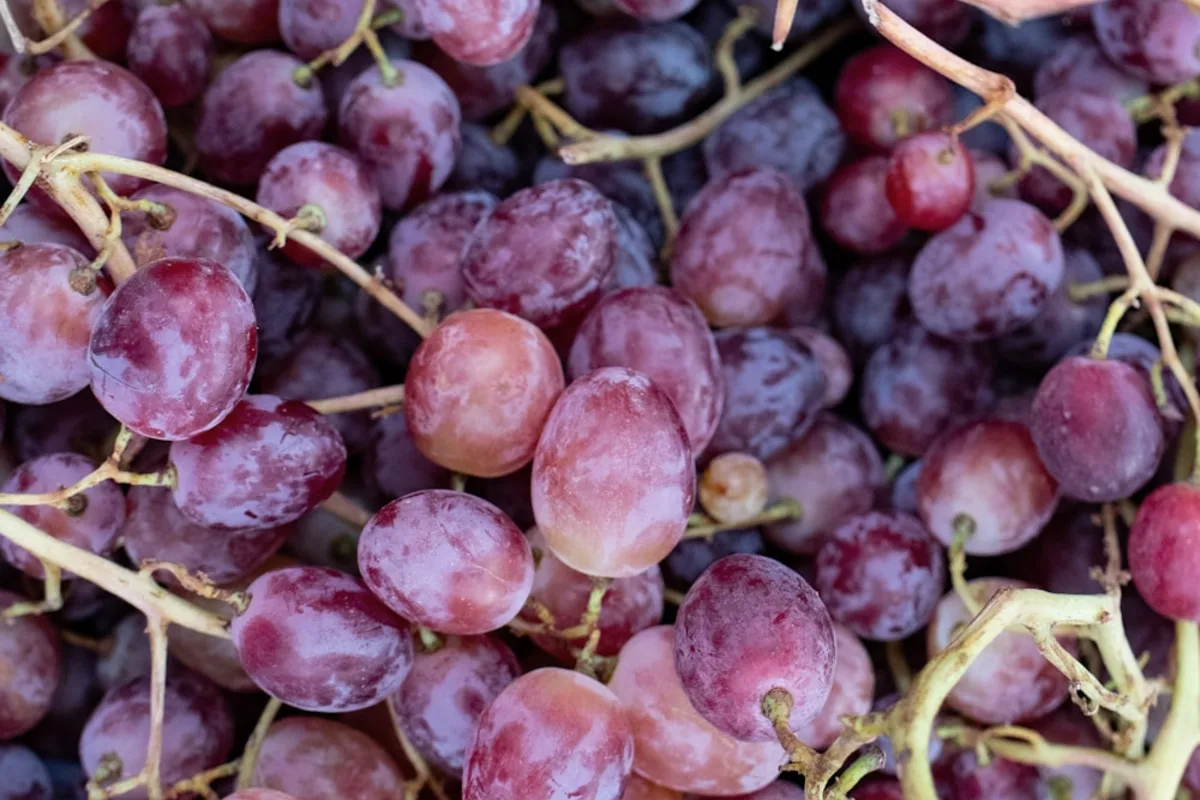
The extensively studied stilbene
Purified Trans Isomer
What it is: Trans-resveratrol is the trans form of a polyphenol found in grape skins and several berries. It is absorbed, then rapidly metabolized in humans.
Evidence context: A large clinical literature exists, but reviews still find important differences between formulations, doses and outcomes—there is no consensus therapeutic use.
Paired with pterostilbene, it supplies a second stilbene profile while the formula remains transparent about the limits of finished-blend evidence.
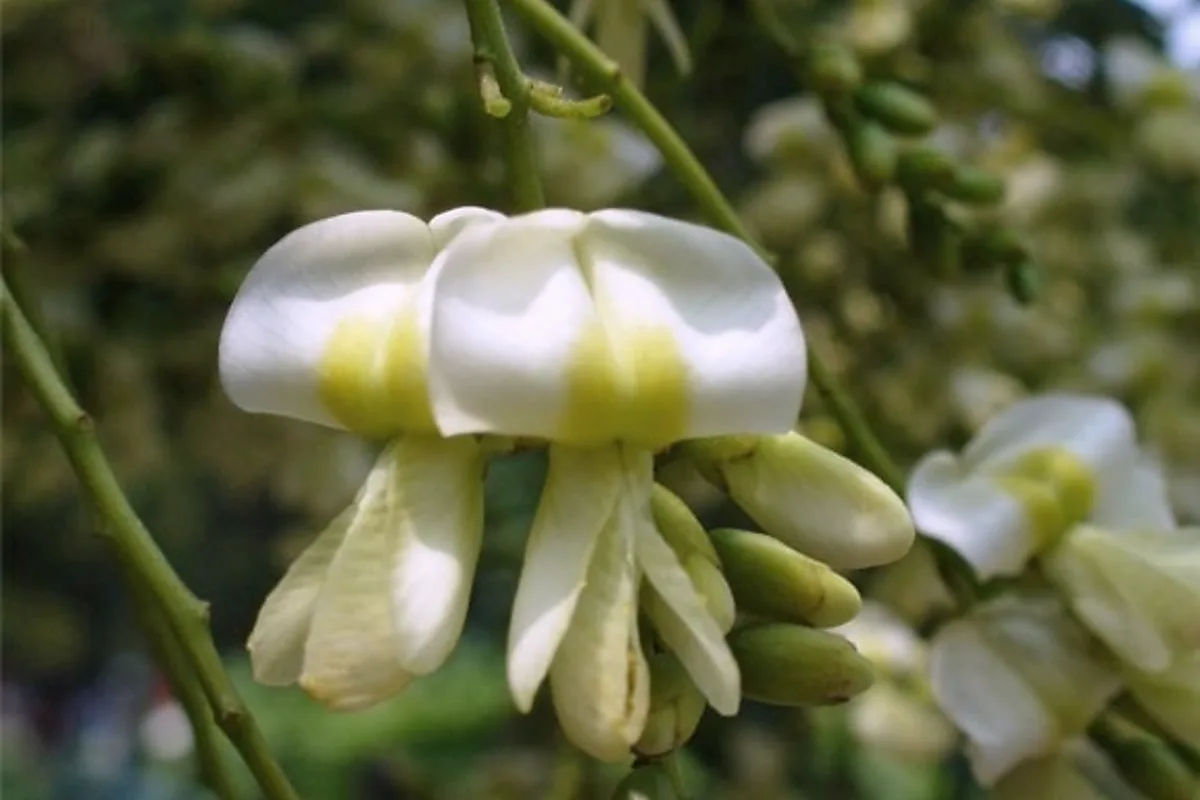
The enhanced-delivery flavonol
Sophora japonica Flower
What it is: Quercetin is a plant flavonol. A phytosome associates it with food-grade phospholipids to improve dispersion and oral uptake.
Evidence context: A randomized human crossover pharmacokinetic study reported higher quercetin absorption from a phytosome formulation than from standard quercetin.
It expands the polyphenol network into the flavonol family and uses a delivery format selected to address quercetin’s naturally limited absorption.
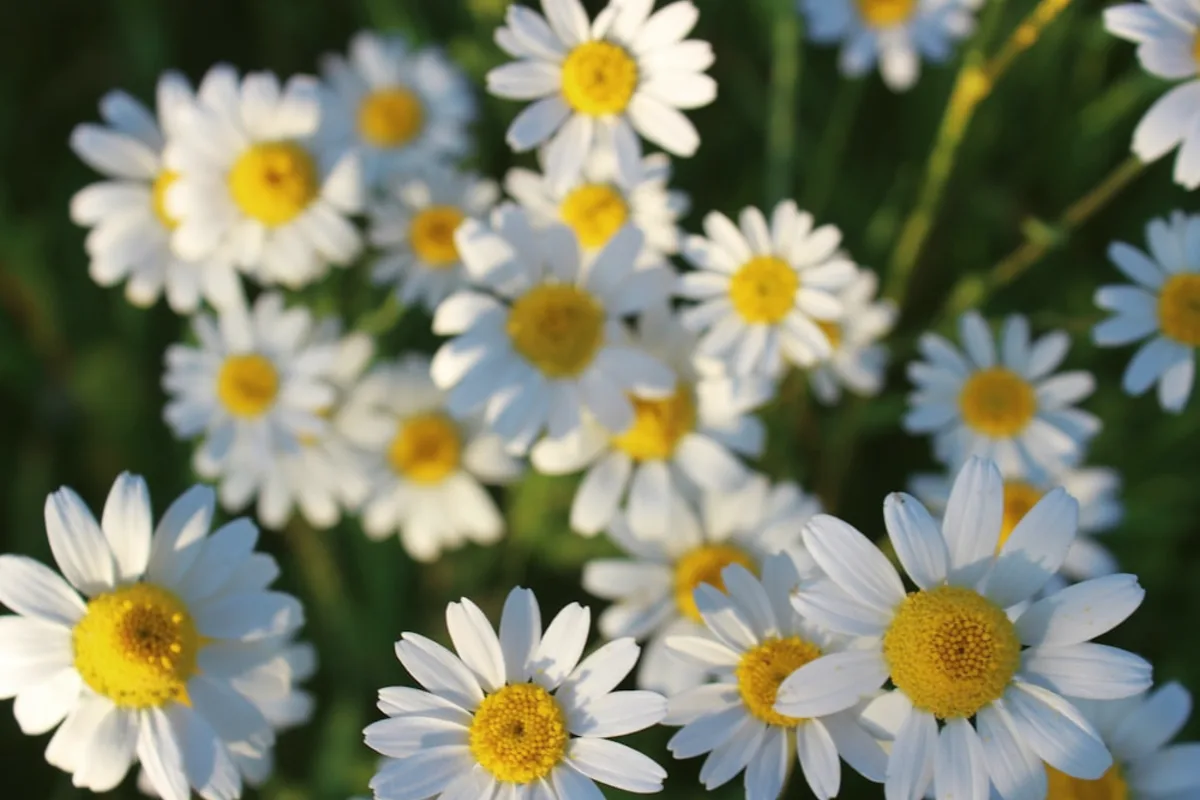
The finishing flavone
Plant Flavone
What it is: Apigenin is a flavone found naturally in foods and botanicals including parsley, celery and chamomile.
Evidence context: Preclinical work has explored apigenin in relation to the NAD+-consuming enzyme CD38. Human outcome evidence remains limited, so this is mechanism context—not a promised result.
It completes the blend with a distinct flavone, complementing quercetin’s flavonol structure and the two stilbenes.
The synergy rationale
Precursor + pathway support: NMN and TMG perform different nutritional jobs, pairing NAD+ precursor support with normal methyl-group metabolism.
Multiple polyphenol families: pterostilbene and trans-resveratrol are stilbenes; quercetin is a flavonol; apigenin is a flavone. Their structures and research profiles are related, but not identical.
Delivery considered: quercetin is included as a phytosome to address absorption, while pterostilbene’s methylated structure differs from resveratrol’s.
Botanical images provide ingredient context and do not claim manufacturing provenance. Quercetin image: “Sophora japonica (1b)” by Picasa, CC BY-SA 3.0, cropped and optimized. Other reference photography is sourced from Unsplash.