Last updated: · Originally published March 21, 2026 · Published by Eternal Elixir
Last updated: April 2026
When most people hear “TUDCA,&rdquo. they think liver support. That association is accurate — TUDCA (tauroursodeoxycholic acid) is one of the most effective hepatoprotective compounds on hand as a pill. But reducing TUDCA to a liver pill misses a major part of the picture. Emerging research increasingly points to bile acids as key regulators of gut health. And TUDCA sits at the centre of a fascinating connection between bile flow. The intestinal barrier, and the trillions of microorganisms that make up your gut microbiome. Simple as that.
grasp this connection matters because gut health is not an isolated concern. It influences immune function, mood, metabolic health, nutrient absorption, and systemic swelling. If your bile flow is compromised, your gut is affected — and if your gut is compromised, virtually everything else follows.
The Bile-Gut Axis: Why Bile Acids Matter for Your Microbiome
Bile acids are produced in the liver, stored in the gallbladder, and released into the small intestine during digestion. Their main textbook function is emulsifying dietary fats for absorption. But over the past decade, experts have discovered that bile acids function as signalling molecules with profound effects on the gut environment. The data backs this up.
main bile acids produced by the liver are converted by gut bacteria into second bile acids through a process called biotransformation. These second bile acids then act on receptors throughout the intestinal lining — especially the farnesoid X receptor (FXR) and the G protein-coupled bile acid receptor (TGR5). start-up of these receptors influences intestinal barrier integrity, immune cell function in the gut-associated lymphoid tissue. Motility and transit time, the composition of microbial populations, and local swelling signalling. Simple as that.
In other words, bile acids and gut bacteria exist in a bidirectional relationship. Your liver produces bile acids that shape which bacteria thrive in your gut. And those bacteria in turn modify the bile acids into forms that signal back to your cells. When this cycle functions well, it supports a balanced, diverse microbiome and a strong intestinal barrier. When it breaks down — through poor bile flow, liver issues, or antibiotic disruption — the consequences ripple through the entire digestive system (Wahlström et al., 2016). The results speak for themselves.
How TUDCA Supports Gut Barrier Integrity
The intestinal barrier is a single-cell-thick lining that separates the contents of your gut from your bloodstream. When this barrier is functioning well, it selectively allows nutrients through while keeping bacteria, toxins. Undigested food particles contained. When the barrier becomes compromised — a condition increasingly referred to as increased intestinal permeability — these unwanted substances can enter the bloodstream and trigger systemic immune replies and swelling. Simple as that.
TUDCA supports gut barrier integrity through some processes. As a hydrophilic (water-friendly) bile acid. It counteracts the damaging effects of hydrophobic bile acids that can be toxic to intestinal epithelial cells at high levels. It reduces endoplasmic reticulum (ER) stress in intestinal cells — the same chemical chaperone process that makes it valuable for liver protection. And it modulates the swelling signalling paths that, when chronically activated, degrade tight junction proteins holding the intestinal barrier together. This matters.
Research has shown that TUDCA dosing can protect intestinal epithelial cells from swelling damage and support the expression of tight junction proteins that maintain barrier function (Lajczak et al., 2017). For anyone dealing with chronic digestive issues, food sensitivities, or swelling gut conditions, this barrier-shielding effect is major.
TUDCA and Microbiome Composition
The composition of your gut microbiome is partly determined by the bile acid environment in your intestines. Different bacterial species have varying tolerances to bile acids, and the type and level of bile acids present influences which populations flourish and which decline.
When bile flow is inadequate — whether due to liver congestion, gallbladder issues. Or simply the metabolic demands of a modern diet and pill plan — the bile acid environment in the gut shifts. This can allow opportunistic or pathogenic bacteria to expand while helpful populations diminish. The result is a state of dysbiosis that manifests as bloating, irregular bowel habits, increased gas making. Reduced tolerance to certain foods. The data backs this up.
By backing healthy bile flow and giving a hydrophilic bile acid that promotes a more balanced intestinal environment. TUDCA helps create conditions favourable for helpful bacterial populations. This is not a probiotic effect — TUDCA does not introduce bacteria. Instead, it optimizes the environment in which your existing microbiome operates. Which may be more sustainable and effective than repeatedly introducing bacterial strains that cannot survive in a hostile bile acid environment. Keep this in mind.
Who Benefits Most from TUDCA for Gut Health?
While anyone can benefit from optimized bile flow, certain groups stand to gain the most from TUDCA supplement use namely for gut health purposes. People who have had their gallbladder removed (cholecystectomy) lose the ability to store and concentrate bile for release during meals. This results in a continuous low-level drip of dilute bile that often leads to fat malabsorption and digestive discomfort. TUDCA can help compensate by boosting the output of on hand bile acids. It works.
Those dealing with chronic bloating. In particular, after fatty meals, may have sluggish bile flow as a adding factor. People on multiple pills or medications that are processed through the liver may have bile making diverted toward cleansing at the expense of digestive function. Athletes and high-results people consuming large volumes of food often overwhelm their bile making capacity. This leads to incomplete fat digestion and nutrient malabsorption. Keep this in mind.
Anyone dealing with signs of compromised intestinal permeability — such as new food sensitivities, skin reactions, joint discomfort. Or brain fog that correlates with eating — may benefit from TUDCA’s barrier-shielding effects alongside other gut-healing interventions.
How to Use TUDCA for Gut Support
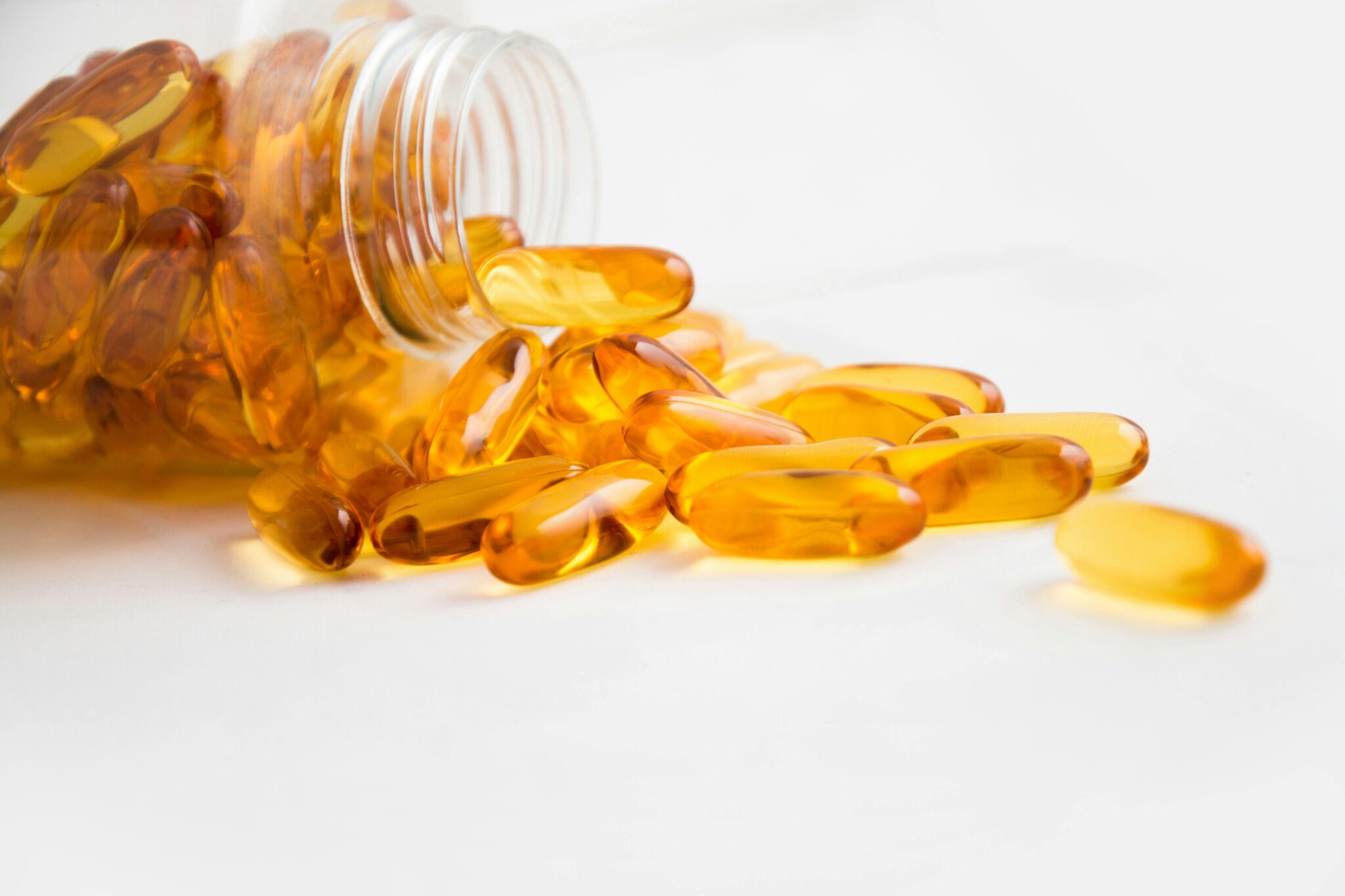
For gut-focused supplement use, TUDCA is often dosed at 250 to 500 mg per day, taken with meals with dietary fat. This timing maximises its choleretic effect — stimulating bile flow precisely when bile is most needed for digestion. The Eternal Elixir TUDCA 500mg gives 90 capsules per bottle, backing a consistent three-month gut health plan at the standard daily dose. The data backs this up.
TUDCA pairs exceptionally well with probiotics. By first optimizing the bile acid environment in which your microbiome operates. You create conditions where took probiotic strains are more likely to establish and thrive. Taking TUDCA with meals and probiotics between meals (or according to your specific product’s instructions) allows each to work through its respective process without interference. Keep this in mind.
Digestive enzymes. In particular, lipase for fat digestion, can complement TUDCA by breaking down dietary fats into smaller particles that bile acids can more easily emulsify. And glutathione supplement use supports the liver’s capacity to produce bile acids in the first place. Addressing the upstream making side while TUDCA optimizes the downstream flow and function. The science is clear.
TUDCA vs Probiotics: Different Layers of the Same Problem
A common question is whether TUDCA can replace probiotics for gut health, or vice versa. The answer is that they address different layers of gut function and are more effective together than either is alone.
Probiotics introduce helpful bacterial strains into the gut, but those strains need a hospitable environment to survive and colonise. If the bile acid environment is hostile — too concentrated with hydrophobic bile acids. Or too dilute due to poor bile flow — even the best probiotic strains may not establish well. TUDCA addresses this outside layer, creating conditions where both took and native helpful bacteria can thrive. The data backs this up.
Think of it as tending a garden. Probiotics are the seeds. TUDCA helps prepare the soil. Both matter, and neither alone is sufficient for optimal results.
Frequently Asked Questions
How long does it take for TUDCA to improve gut symptoms?
Digestive improvements are often among the first effects people notice with TUDCA supplement use. Reduced bloating after fatty meals and boosted digestive comfort often emerge within one to three weeks. More basic changes to gut barrier function and microbiome composition take longer — expect four to eight weeks for measurable shifts in these deeper parameters. Consistency matters more than dose escalation for gut-related benefits. This matters.
Can TUDCA help with food sensitivities?
Food sensitivities often stem from compromised intestinal barrier function allowing partially digested food proteins into the bloodstream. Where the immune system mounts a reply. By backing tight junction integrity and reducing intestinal swelling, TUDCA may help reduce the severity of food sensitivity reactions over time. It is not a cure for true food allergies, which involve a different immune process. But for the broader category of food intolerances linked to gut permeability. It is a reasonable addition to a healing plan alongside guidance from your healthcare provider. The results speak for themselves.
Should I take TUDCA if I still have my gallbladder?
Yes. While people without a gallbladder often notice the most dramatic digestive improvements. Anyone with suboptimal bile flow benefits from TUDCA supplement use. Signs of sluggish bile include difficulty digesting fatty meals, pale or clay-coloured stools. Bloating in the upper right abdomen after eating, and floating stools that are difficult to flush. Even with a functioning gallbladder, factors like stress, poor diet, aging, and liver congestion can reduce bile output below optimal levels. Explore the full range of gut and liver support pills at the Eternal Elixir store. The results speak for themselves.
The relationship between bile acids and gut health represents one of the most exciting areas of microbiome research now underway. With new studies printed often that deepen our grasp of this bidirectional axis. For anyone serious about gut health. Addressing bile flow through TUDCA supplement use is a foundational step that supports every other intervention in a gut-healing plan. That is the key point.
Related Reading
If you found this article helpful, you may also enjoy these related guides:
- Best NMN supplements in the United States 2026: 8 Products Tested & Compared
- Best TUDCA supplements in the United States 2026: 7 Products Tested & Compared
suggested: Eternal Elixir TUDCA
U.S.-made, third-party tested, 90 capsules per bottle. Formulated for maximum uptake.
View Product