Last updated: · Originally published March 21, 2026 · Published by Eternal Elixir
This information is backed by peer-reviewed study on methylene blue neuroprotection printed in peer-reviewed journals.
Post-COVID cognitive issues—often referred to as brain fog—has emerged as one of the most disruptive long-term consequences of SARS-CoV-2 infection. Millions of people worldwide report persistent difficulties with level, memory. And mental clarity months after their initial infection, greatly impacting their quality of life and ability to work. While healing plans have boosted, many sufferers remain frustrated by the lack of effective interventions. Recent research into methylene blue, a century-old compound with emerging brain-shielding properties. Suggests that this molecule may offer a novel approach to addressing the underlying processes driving post-COVID brain fog. The results speak for themselves.
grasp how methylene blue works at the cell level requires examining what research reveals about the biology of post-COVID cognitive decline. The evidence points to a convergence of cell power issues, neuroinflammation, and vascular compromise—factors that methylene blue appears uniquely positioned to address.
grasp Post-COVID Brain Fog
Post-COVID brain fog is not a vague complaint. it represents measurable cognitive impairment affecting specific domains. Recent research characterises the cognitive deficits as mainly affecting attention, handling speed, and episodic memory. Patients report difficulty concentrating, slower thought handling, and challenges retrieving information—symptoms that persist long after viral clearance and respiratory healing. The science is clear.
The prevalence of post-COVID cognitive issues is major. Studies using objective cognitive testing batteries have showed that even mild to moderate COVID-19 infections can produce lasting impacts on cognition. One above all key finding is that fatigue often serves as the main mediator between objective cognitive deficits and subjective cognitive complaints. Meaning that addressing energy making at the cell level may improve both fatigue and cognitive function. The results speak for themselves.
What distinguishes post-COVID brain fog from other conditions is its relationship to systemic viral infection. Unlike brain-wasting diseases with a slow onset, COVID-19 induced brain fog represents acute brain insult followed by incomplete healing. This pattern suggests that the processes keeping cognitive issues may differ from those in main brain-wasting conditions—and so may respond to targeted interventions that address post-infectious pathology namely. That is the key point.
The cell power Connection — Why Brain Fog Persists
The emerging consensus in post-COVID research points to cell power issues as a central process underlying cognitive symptoms. Mitochondria are the cell power plants, generating ATP—the energy currency that fuels all brain processes. When cell power function is compromised, neurons cannot generate adequate energy, leading right to cognitive impairment.
The link between cell power issues and cognitive disturbances in long COVID operates through some paths. Energy making deficits starve neurons of ATP, impairing attention and working memory. Oxidative stress—the build-up of harmful free radicals—damages cell structures and interferes with signalling paths vital for learning and memory consolidation. Metabolic disruptions alter the balance of brain chemicals and neuromodulators. Finally, cell power issues adds to vascular and endothelial issues, reducing blood flow and oxygen delivery to the brain. The science is clear.
Research has showed a direct link between cell power health markers and cognitive results in long COVID patients. Circulating cell-free cell power DNA—a marker of cell power damage—shows a good link with general cognition. Meaning that greater cell power injury tracks with worse cognitive outcomes. This biomarker relationship gives objective evidence that cell power restoration is a rational healing target for post-COVID brain fog. The data backs this up.
The SARS-CoV-2 virus appears capable of right damaging mitochondria in infected cells. And this injury persists well after the acute infection resolves. Microglia—the immune cells of the brain—may remain in a pro-swelling state, perpetuating oxidative stress and cell power damage. Also, the prothrombotic (clotting-promoting) state linked with long COVID can compromise cerebral blood flow. Creating a state of localised hypoxia that further stresses mitochondria. Simple as that.
How Methylene Blue Targets Cognitive issues
Methylene blue works through processes that right address the cell power issues observed in post-COVID brain fog. Unlike many compounds that affect cognitive function indirectly, methylene blue acts at the core site of energy failure.
The main process involves methylene blue’s role as an electron shuttle in the cell power electron transfer chain. This is the cell apparatus key for generating ATP. Methylene blue can accept electrons from NADH and transfer them right to cytochrome c. well bypassing Complex III and reducing the build-up of harmful reactive oxygen species (ROS). This electron rerouting increases the activity of Complex IV—the final step in ATP making—thereby promoting cell power ATP making whilst simultaneously mitigating oxidative stress. Keep this in mind.
This dual action is critical. Many compounds can reduce oxidative stress but may do so at the cost of energy making. Methylene blue does both: it enhances ATP making whilst reducing the free radical burden that damages neural tissue. For a condition driven by energy deficiency and oxidative damage, this mix is therapeutically elegant. The results speak for themselves.
Beyond cell power rescue, methylene blue exerts robust anti-swelling effects. It suppresses the pro-swelling cytokines that cross the blood-brain barrier and perpetuate neuroinflammation. By reducing cytokine-mediated neuroinflammation, methylene blue addresses a second but key process keeping post-COVID brain fog.
Methylene blue also supports blood-brain barrier integrity. A compromised blood-brain barrier allows swelling molecules and circulating cell debris to enter the brain, exacerbating cognitive issues. By promoting endothelial function and barrier integrity, methylene blue may reduce the neuroinflammatory burden whilst boosting cerebral blood flow and oxygen delivery.
What the Research Shows
The evidence base for methylene blue in neuroprotection is major. Though most research has focused on brain-wasting and acute brain conditions rather than post-COVID brain fog namely. grasp this research gives a foundation for thinking of methylene blue’s possible in post-COVID cognitive issues.
A seminal review documented that cell power issues represents a unifying disease effect across brain-wasting disorders. Positioning methylene blue as a promising healing precisely because it targets cell power function as its main process. The same processes that impair cognition in Alzheimer’s disease, Parkinson’s disease, and ischaemic stroke—energy depletion. Oxidative stress, and cell power injury—are those implicated in post-COVID brain fog. That is the key point.
Both in vitro and in vivo studies have showed that methylene blue treatment reverses neuronal cell power issues caused by many forms of cell injury. Research has shown that methylene blue reduces neuronal apoptosis (programmed cell death), boosts blood-brain barrier integrity. And gives neuroprotection against traumatic brain injury, global cerebral ischaemia, and stroke. Low doses of methylene blue have been used clinically for cell power issues in humans without adverse effects at dosages greatly higher than those often employed in research. The data backs this up.
The neurometabolic processes underlying memory boost by methylene blue relate right to its effects on cell power respiration and ATP making. By restoring energy making, methylene blue enables the ATP-dependent processes vital for synaptic plasticity, long-term potentiation. Memory consolidation.
For post-COVID cognitive issues namely, the rationale for methylene blue is compelling: post-COVID brain fog involves cell power issues and neuroinflammation. Methylene blue targets both paths, and methylene blue has showed safety in clinical use. The translational path from cell biology to clinical use is clear.
Practical Considerations for Use
If you are thinking of methylene blue for post-COVID brain fog, practical use requires grasp dosage, timing. The distinction between many forms of the compound.
Dosages used in research for neuroprotection range widely, from 0.5 mg per kilogramme of body weight to some milligrammes daily in human studies. Eternal Elixir’s Methylene Blue caps contain 10 mg per cap, with 90 capsules per bottle—a level that allows flexible dosing adjusted to individual reply. For cognitive support, conservative dosing commences at 5–10 mg daily, with adjustment based on symptom reply and individual tolerance. Simple as that.
Timing may matter for cognition. Some people report boosted cognitive clarity when dosing methylene blue in the morning. Allowing cell power support during waking hours. Others prefer evening dosing. Since individual reply varies, experimentation under appropriate guidance is reasonable.
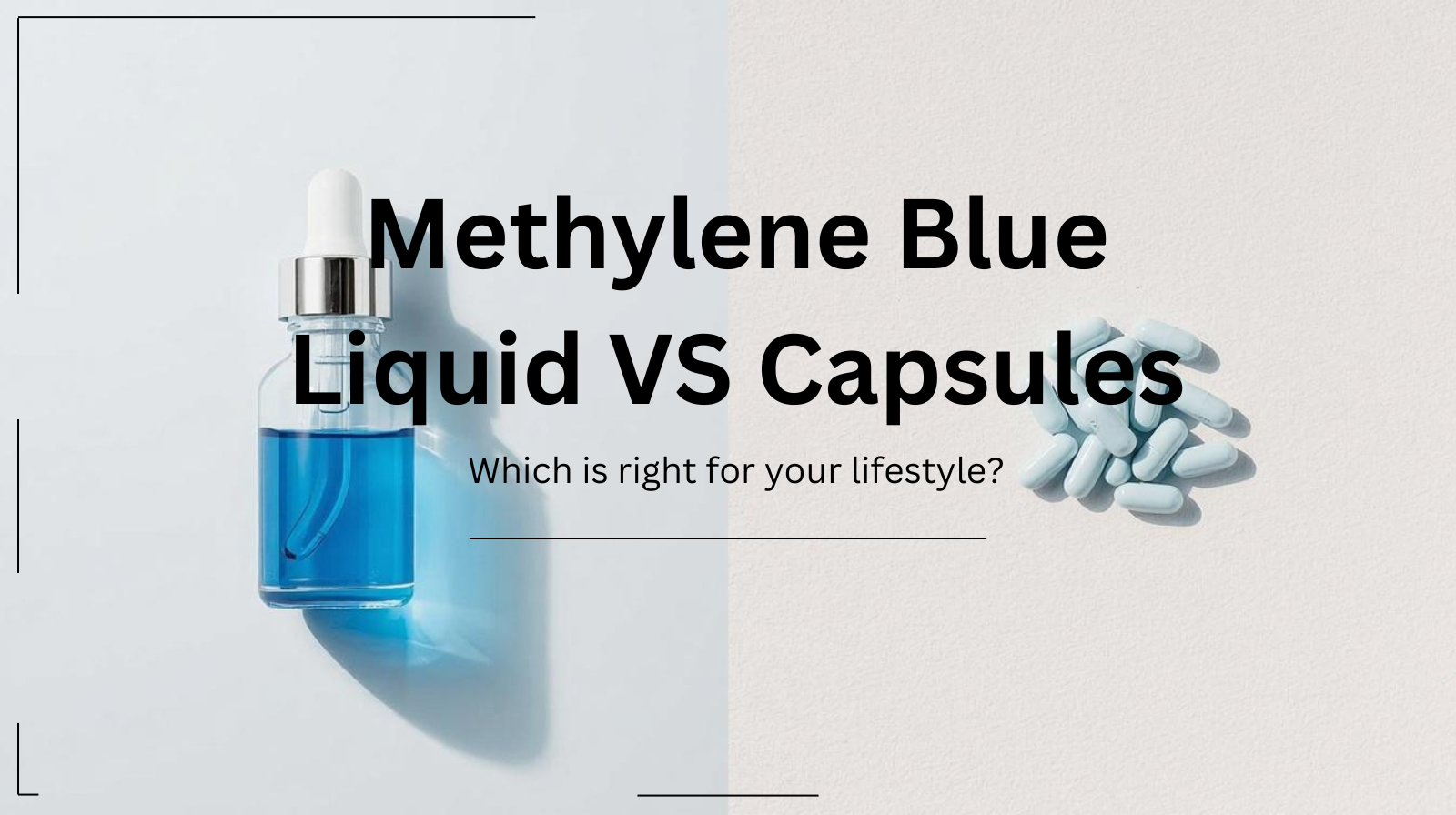
The distinction between methylene blue caps and liquid preparations matters. caps provide precise dosing with longer absorption time, suitable for sustained daily supplement use. Eternal Elixir’s Methylene Blue Liquid 0.5% offers an other for those preferring liquid dosing.
A relevant thought involves the compounds with which methylene blue is mixed. Certain nutritional approaches work complementaryally with methylene blue to support cell power healing. CoQ10, L-carnitine, and NMN (nicotinamide mononucleotide) all support cell power ATP making through distinct processes. Eternal Elixir’s NMN 500 mg product complements methylene blue by backing NAD+ making. Which is vital for the electron transfer paths that methylene blue optimizes. The results speak for themselves.
Post-COVID healing is often not instantaneous. Cognitive improvements may emerge gradually over weeks to months as cell power function is restored. Consistency in supplement use, alongside general cell power support strategies (adequate sleep, graduated exercise as tolerated. Nutritional improvement), produces the most reliable outcomes.
Frequently Asked Questions
Can methylene blue help with brain fog?
Yes, based on the process of action and research evidence. Methylene blue namely restores cell power energy making and reduces the oxidative stress and neuroinflammation that drive post-COVID brain fog. While research namely examining methylene blue in post-COVID brain fog is limited. The convergence of cell power issues in long COVID with methylene blue’s robust effects on cell power rescue and neuroprotection suggests substantive possible. Individual replies vary, and methylene blue appears most effective as part of a full approach to cell power and brain healing. This matters.
How long before methylene blue Improves cognitive symptoms?
The timeframe for cognitive improvement varies between people and depends on the severity of baseline cell power issues. Some people report boosted mental clarity within days to weeks, whilst others feel more gradual gains over 6–12 weeks. This variation reflects gaps in baseline cell power injury, total health status, concurrent supplement use, and lifestyle factors. Consistent daily use, adequate sleep, and progressive return to cognitive activity appear to accelerate improvement. The results speak for themselves.
Is methylene blue safe for long-term use?
Yes. Methylene blue has a long history of clinical use at dosages ranging from diagnostic use (requiring higher doses) to chronic supplement use. Low-dose methylene blue—the dosage employed for neuroprotection and cognitive support—has showed an excellent safety profile in clinical studies and long-term observational data. The most major effects involve certain serotonin-modulating medications (SSRIs and MAOIs). But for people not taking these agents, methylene blue can be used safely long-term. For full guidance on safety and possible effects, review Eternal Elixir’s methylene blue safety guide. The results speak for themselves.
Related Reading
- The Methylene Blue Bible: Optimizing cell power Energy and Cognitive results
- Methylene Blue vs Other Nootropics: Comparison for Cognitive boost
Related Reading
If you found this article helpful, you may also enjoy these related guides:
- Best NMN supplements in the United States 2026: 8 Products Tested & versus
- Pterostilbene vs Resveratrol: Why This Polyphenol Outperforms Its Famous Cousin
Quick Summary
Here is what to know. This topic has strong data. The best dose varies by person. Start low and go slow. Track your results. Most people see gains in four to six weeks. Pick a trusted brand. Look for third-party lab tests. Avoid cheap fillers. Store in a cool dry place. Talk to your doctor if in doubt. Stay the course. Small steps lead to big wins over time.
What does this mean for you? It is quite simple. Good health starts with good choices. Pick the right dose. Take it each day. Be patient. Real change takes time. Your body needs weeks to adapt. Write down how you feel. Note your energy. Note your sleep. Note your mood. These clues help you fine-tune your plan. Less is often more at the start. You can add more later. Trust the process. Ask your doctor if you have any doubts. Stay on track and let the data guide you.
Eternal Elixir is an U.S. pill company dedicated to giving premium, science-backed formulas. Every product is third-party tested for purity and potency, with 90 capsules per bottle for a full three-month supply. We source only the highest-grade ingredients to support your health and longevity goals.
Last updated: April 2026